Planning a trip to Champagne can feel surprisingly overwhelming. There are the big questions, like where to stay, how to get around, and what to eat, but the most important question is usually this: which champagne houses should you actually visit?
I visit Champagne multiple times per year, and over the years I've been lucky enough to taste my way through many of the region's producers. What I've learned is that the best Champagne trip is not just about visiting the most famous names.
The big houses are famous for a reason, and many of them offer beautiful, polished, informative tours. But some of the most memorable experiences in Champagne come from smaller producers, where you can get a more personal look at the winemaking process and taste bottles you may never find back home.
In my opinion, the best Champagne itinerary includes a mix: one or two recognizable big names, a smaller grower-producer, at least one full cellar tour, and a few relaxed tastings where you can simply sit with a glass and enjoy the setting.
Whether it's your first time visiting Champagne or you've been before and want to go beyond the obvious names, these are my recommendations for champagne houses to visit in Champagne, France.
Leclerc Briant, Épernay
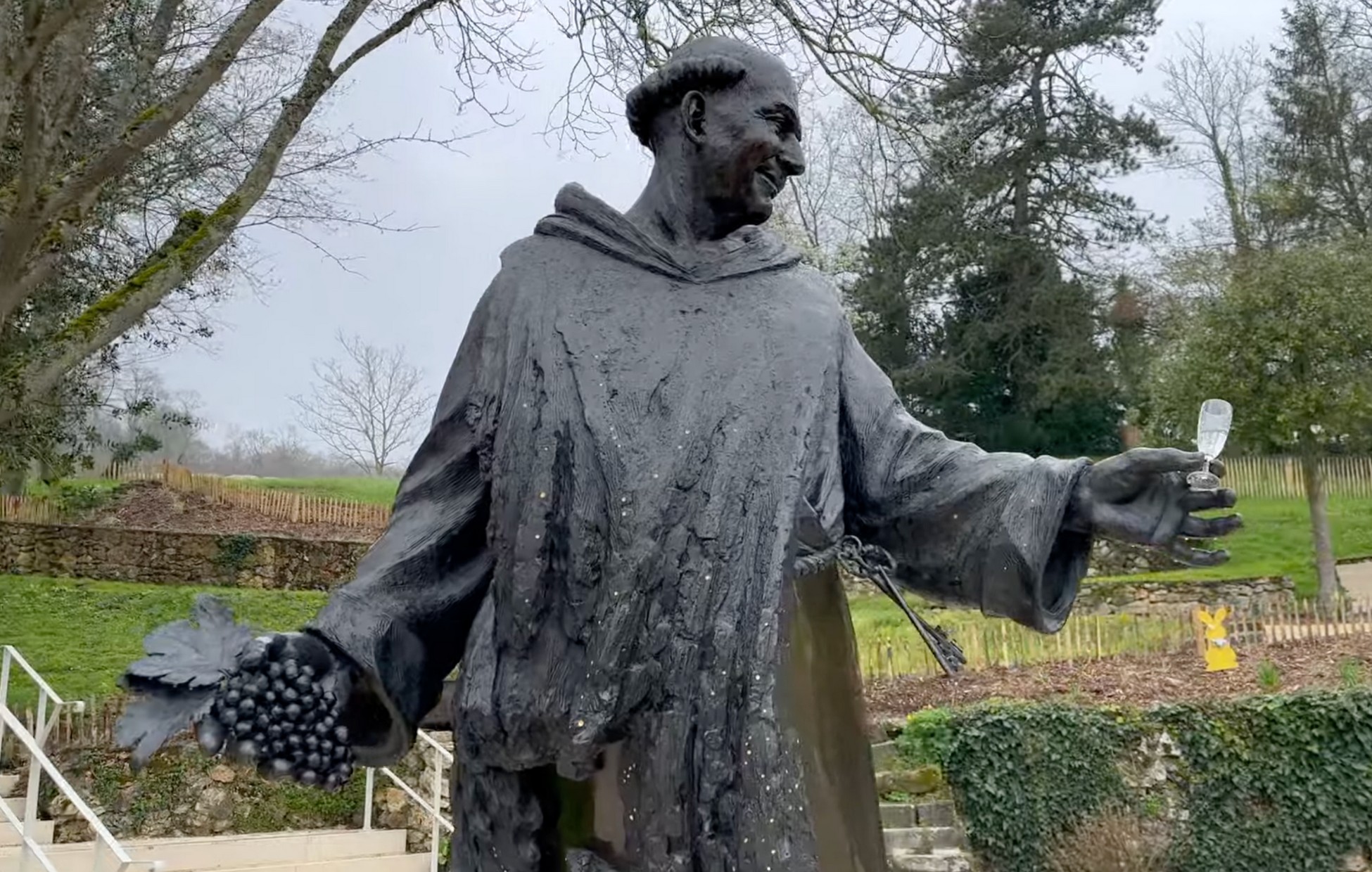
Leclerc Briant is one of the most interesting and innovative champagne producers in the entire region. While many Champagne tours focus on history and tradition, Leclerc Briant stretches these boundaries a bit by giving you a deeper look at experimentation, sustainability, and more climate-conscious winemaking.
The house is known for incorporating organic and biodynamic methods, as well as some very unusual projects, including aging bottles underwater and unconventional winemaking vessels.
I highly recommend booking a full tour and tasting here. It feels more intimate than many of the larger Champagne houses, and the experience goes beyond the standard explanation of how champagne is made. You'll learn more about their specific philosophy, their approach to the land, and how those choices shape the final product in your glass.
The full visits take place at their property, a short walking distance from the center of Épernay, and reservations are important. If you can't fit in the full tour, you can still look for a tasting at Le 25bis on the Avenue de Champagne.
Their entry-level bottles are excellent, but Leclerc Briant becomes especially exciting as you work your way up the range. The champagnes become more complex, more expressive, and more distinctive, making this one of the best Champagne houses to visit if you want something a little different from the classic big-name experience.
Michel Gonet, Épernay
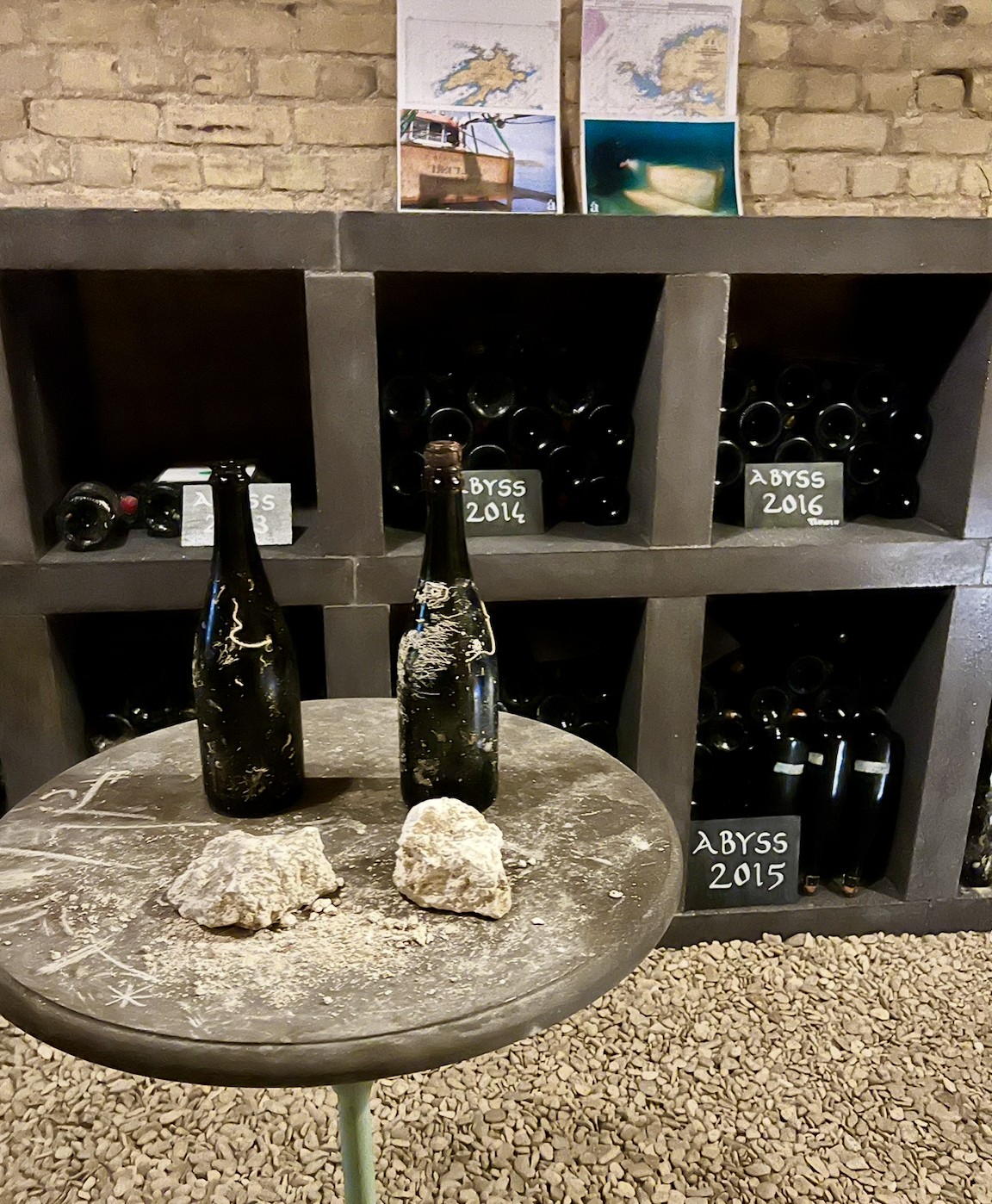
Michel Gonet is one of my personal favorites, and it's a producer I make time for on every visit to Épernay. While you won't get the same kind of full production tour at their Épernay location, you can enjoy a guided tasting in a beautiful setting right on the Avenue de Champagne.
Tastings are available without reservations, and if you want to test your knowledge a bit, they also offer blind tastings. But don't worry, the experience is fitting for everyone, from a beginner to a connoisseur.
Their Épernay property, Villa Signolle, also functions as a bed and breakfast. I haven't stayed there myself yet because dogs are not allowed, but based on the service I've received every time I've visited, I can only imagine it would be lovely.
If you're planning a day on the Avenue de Champagne, Michel Gonet is one of the best places to stop for a tasting.
Moët & Chandon, Épernay
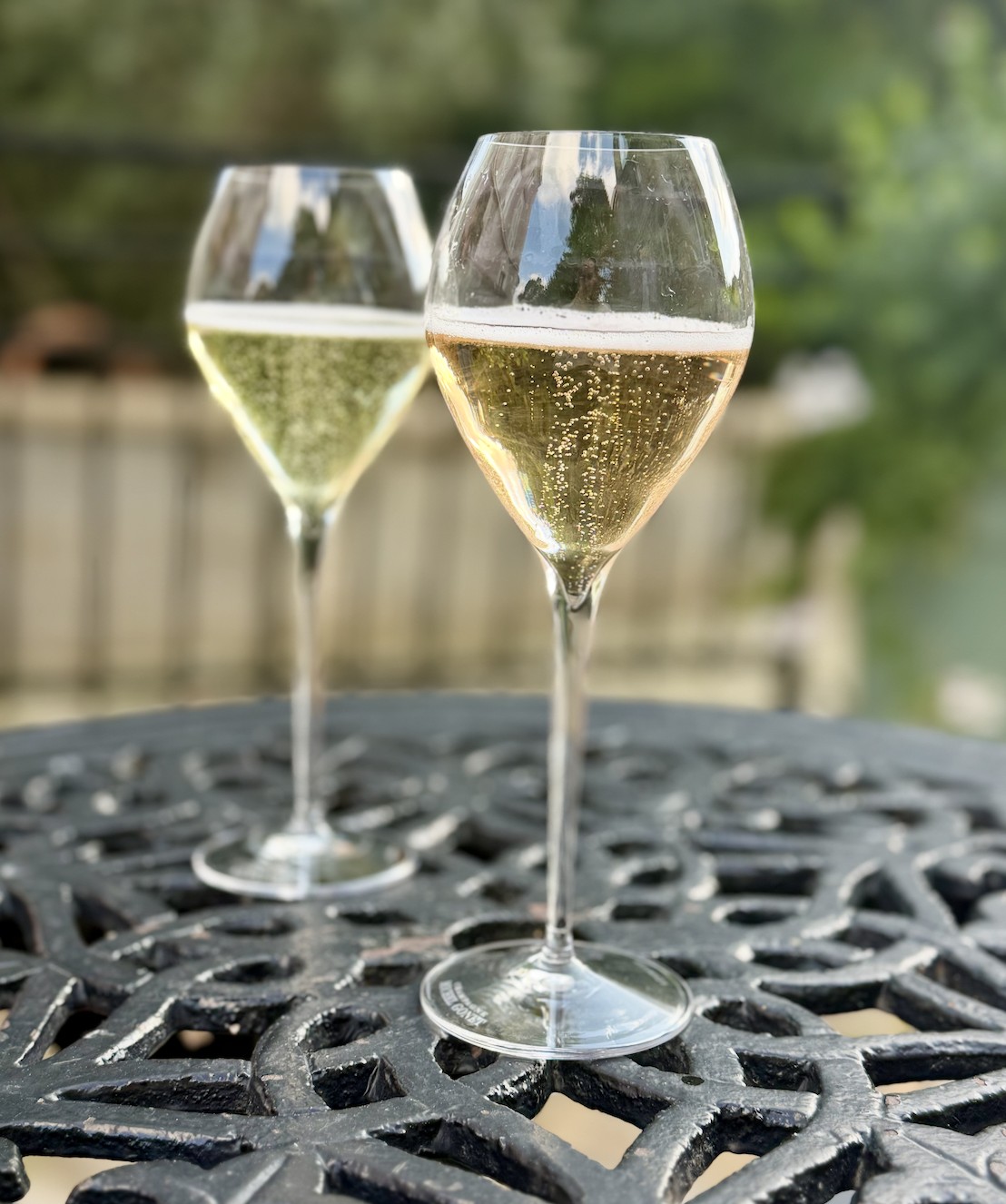
Moët & Chandon is one of the biggest and most famous names in champagne. Even if you don't know much about Champagne as a region, you almost certainly know Moët. They also produce the famous Dom Perignon line.
In my opinion, Moët & Chandon's champagne is good, but not always as complex or exciting as some of the smaller producers on this list. That said, their Épernay estate is beautiful, and the tour is absolutely worth considering, especially if it's your first trip to Champagne.
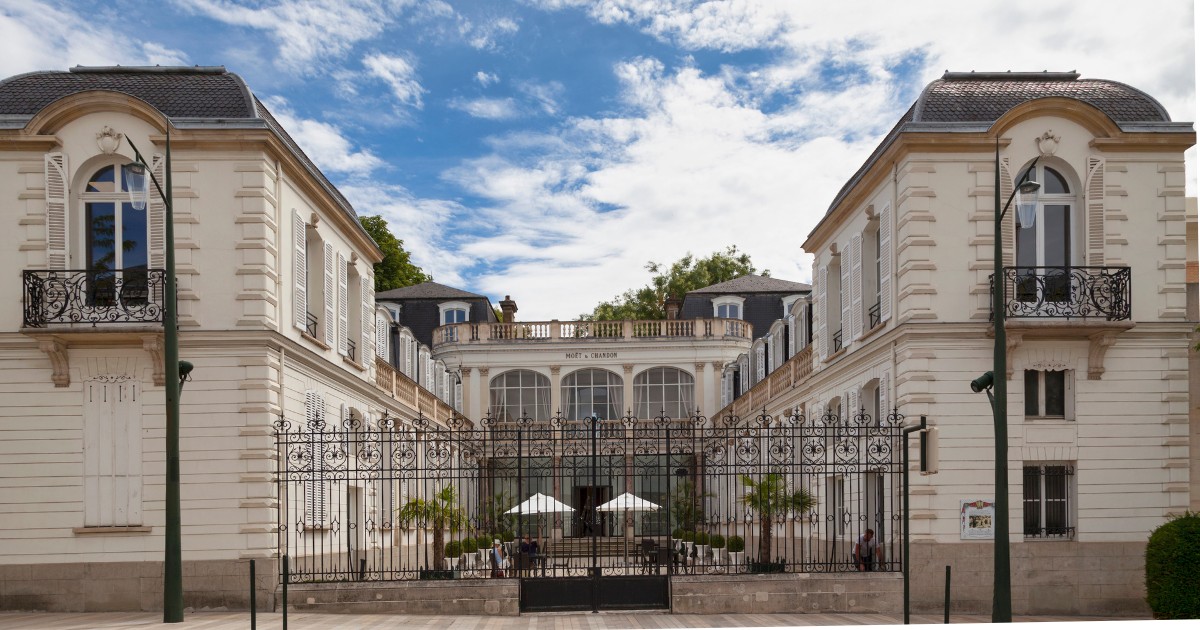
This is a very polished, professional experience. It is more rehearsed and standardized than what you'll find at smaller producers, but that isn't necessarily a bad thing. The tour is informative and gives you a clear introduction to how champagne is made.
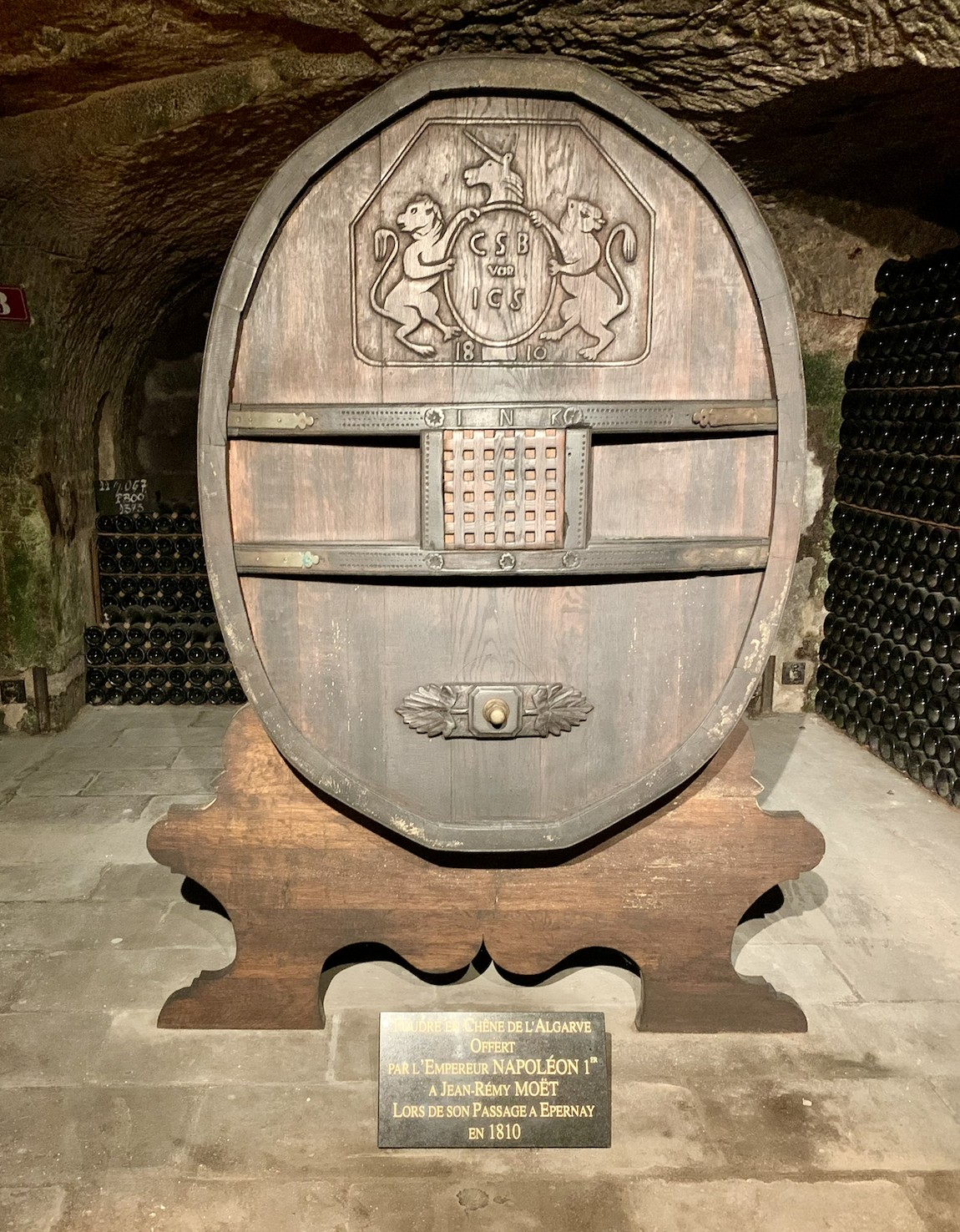
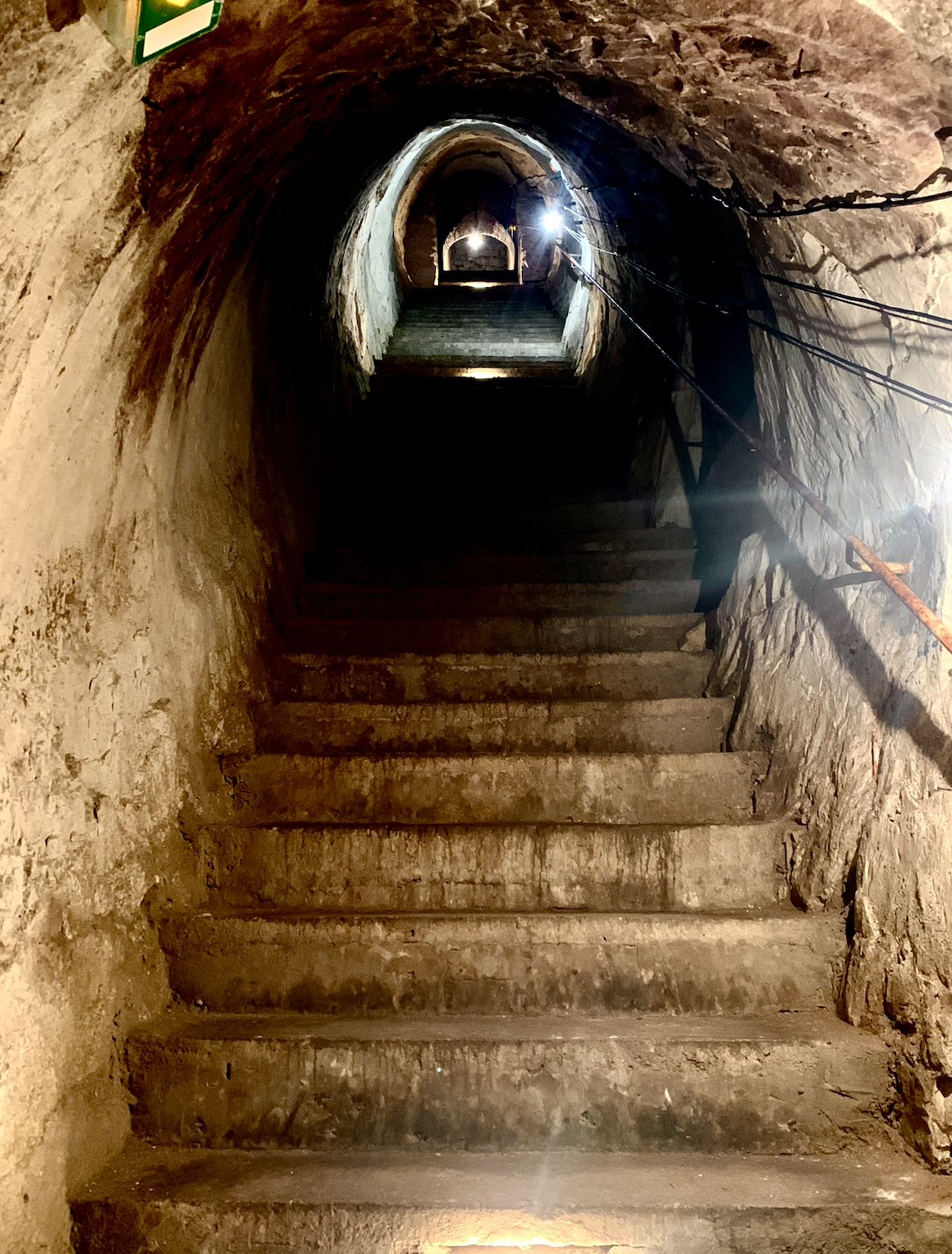
Their cellars are massive and feel like a maze of dark, endless tunnels lined with bottles dating back centuries. Upstairs, the experience has a museum-like quality, with historic artifacts such as Napoleon's hat on display.
Depending on which tour you choose, the visit ends with a tasting and an explanation of what's in your glass. Then, of course, you'll be guided toward the gift shop, where it will be very difficult not to buy at least one bottle to bring home.
If you want to visit one of the most iconic Champagne houses in Épernay, Moët & Chandon is the obvious choice.
G. H. Mumm, Reims
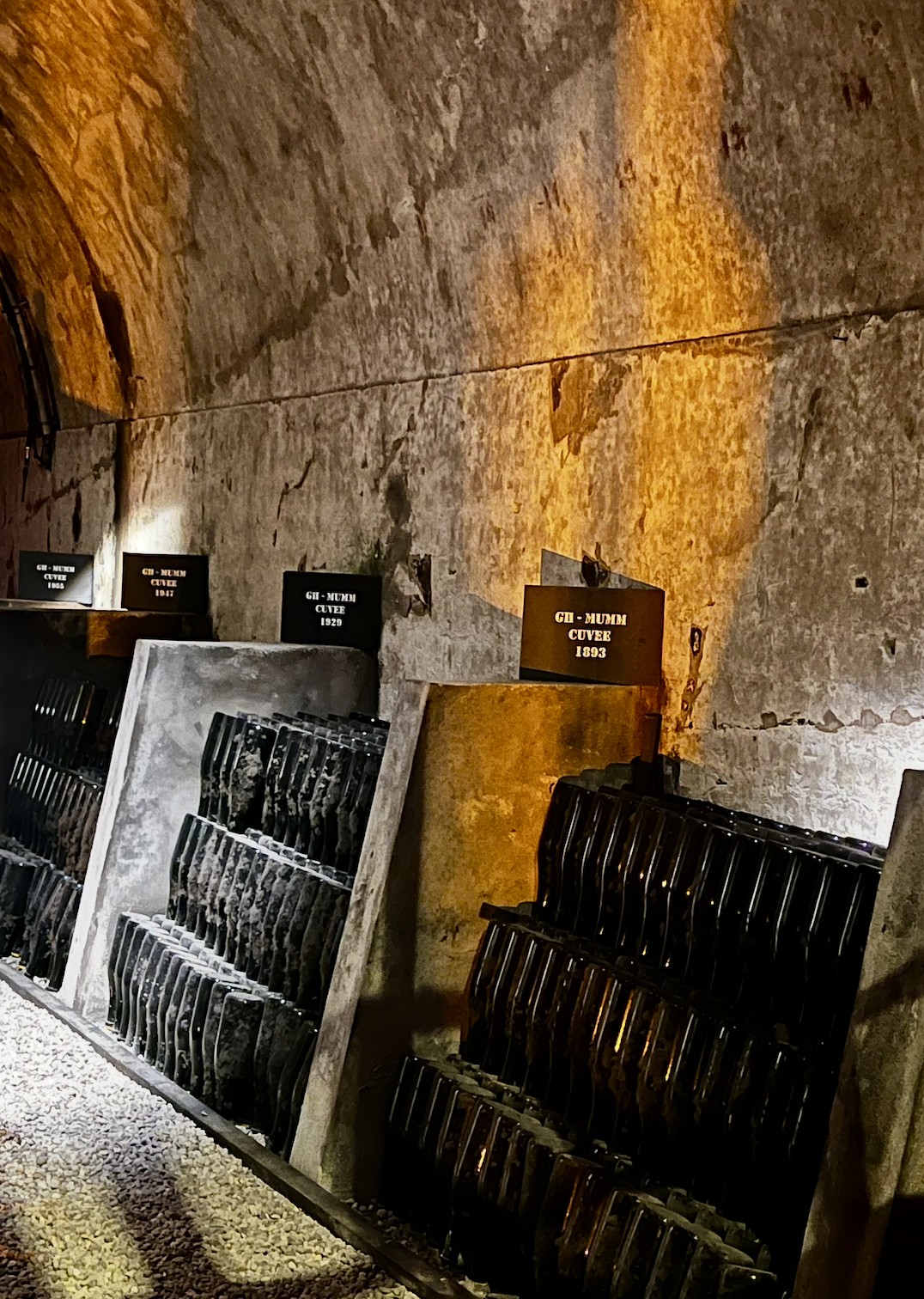
G. H. Mumm is another famous champagne name, but their Reims tour is genuinely interesting. Of the larger, widely available Champagne brands, Mumm is also one of the ones I tend to enjoy most in the glass.
The tour takes you through the house's history, cellars, and winemaking approach, but what stood out to me most was the way they explained the evolution of technology in champagne production. You see how tools and techniques have changed over time, from more traditional methods to modern innovations like sending a bottle into space!
I particularly enjoy their RSRV rosé, so if that range is available during your visit, I highly recommend trying it.
Want to see all my favorite places in Champagne mapped out?
Check it out on SubstackPloyez-Jacquemart, Ludes
It is absolutely worth getting outside of Épernay and Reims if you can, and a visit to Ployez-Jacquemart is a great reason to do it.
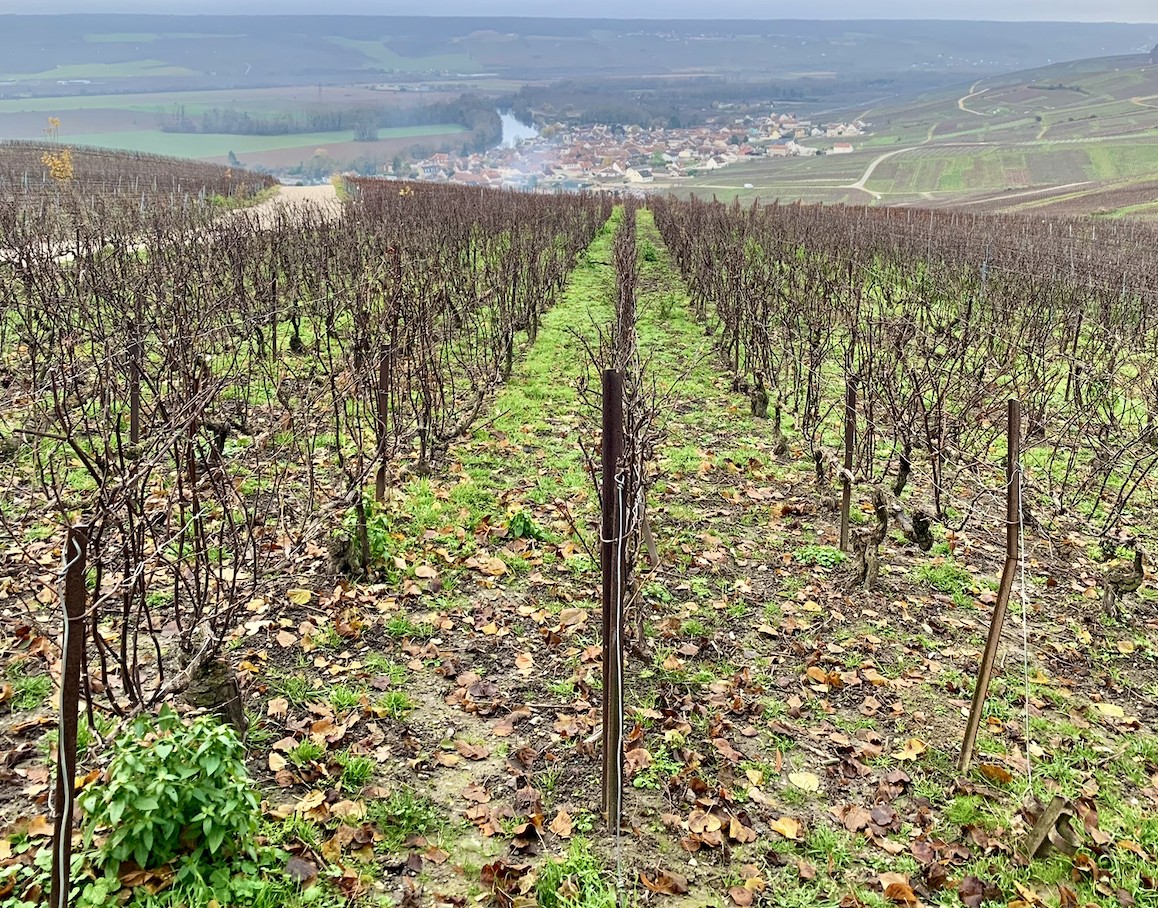
Located in Ludes, this smaller Champagne house gives you a very different experience from the more polished tours at the Grandes Marques. Ployez-Jacquemart is a family-run producer, and the women in the family have played an important role in shaping the house over the generations.
I love visiting smaller producers like this because you're likely to get to see parts of the process that are usually hidden from view at the big houses. Depending on the timing of your visit, you might see areas related to production, vinification, bottling, or disgorgement.
Despite being a smaller house, the champagne is no less impressive. In fact, the smaller production is part of the appeal. Ployez-Jacquemart produces around 100,000 bottles per year, which is tiny compared with the tens of millions produced by a house like Moët & Chandon, but gives you a clearer sense of the scale, craft, and precision involved in producing champagne in smaller quantities.
Pierre Péters, Le Mesnil-sur-Oger
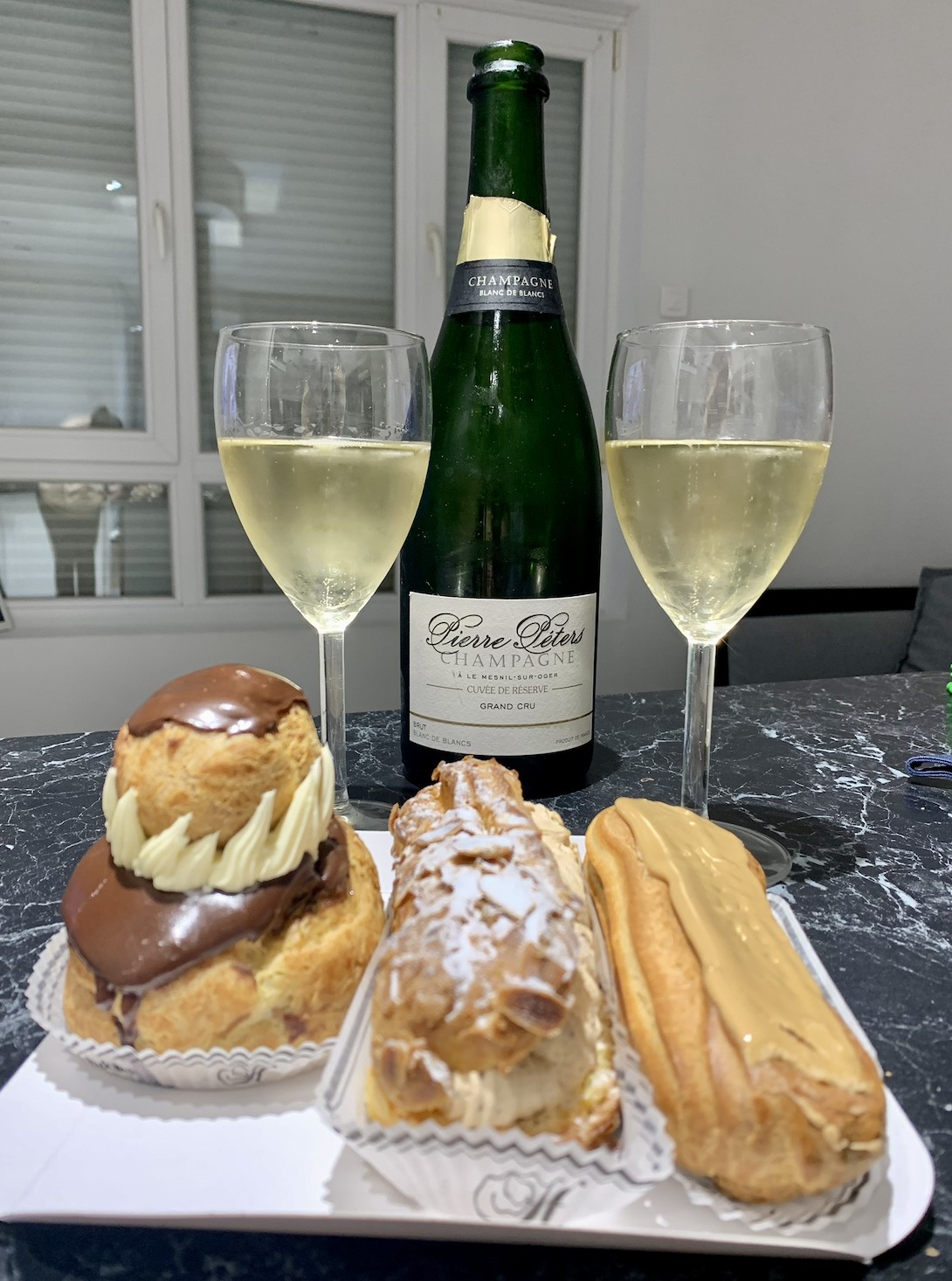
Pierre Péters is a champagne producer I've loved for a long time, but it can be surprisingly difficult to find. I've always found this producer a bit elusive. You might spot one bottle in a shop or on a restaurant list, then struggle to find it again. So if you want to try something that is not on the usual champagne tourist trail, this is definitely a tour you want to book.
Le Mesnil-sur-Oger, in the Côte des Blancs, is known specifically for their outstanding chardonnay, so definitely be sure to look for a blanc de blancs champagne here. Their bottles generally have a very fresh, elegant taste profile, and continue to become more complex and mineral as you move up the range.
If you want to visit, plan ahead. Availability can be limited, and the house closes at certain times of year, including much of the summer period. This is not the kind of place I would leave to chance, but it is absolutely worth the extra planning if you love Blanc de Blancs or want to explore the Côte des Blancs.
A. Bergère, Épernay
This spot on the Avenue de Champagne combines great champagne with a very nice atmosphere. You don't need to do a tour here, just stop into the shop and order a glass, then enjoy it on their spacious terrace.
I love the ambiance here; it feels like you've found an exclusive little enclave, just off one of the most well-known streets in the world. And the champagne holds up to the setting.
One of the reasons I like A. Bergère is that they often have interesting options available by the glass. That means you can try something a little older, more unusual, or more specific without committing to a full bottle.
Personally, I love their zero-dosage champagnes, which have no added sugar. If you prefer a drier, more precise style of champagne, this is a great place to taste that style.
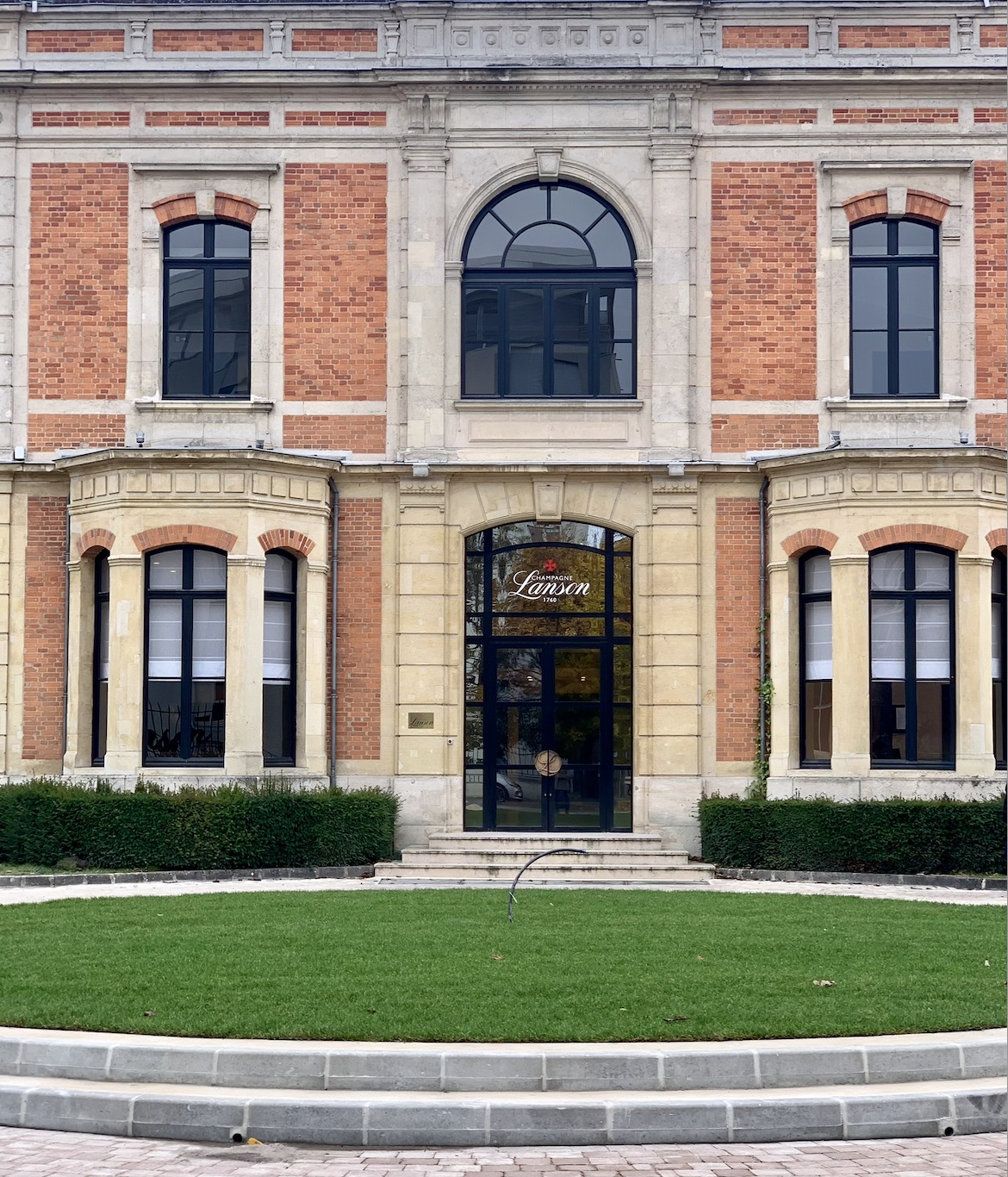
Lanson, Reims
Lanson is another larger Champagne house that is very much worth visiting, especially if you're spending time in Reims.
It is one of the most historic names in Champagne, but the experience does not feel quite as commercialized as some of the biggest houses. Lanson offers several different types of tours depending on how immersive you want the visit to be and which champagnes you want to taste at the end.
Their most basic tour was one of my first introductions to champagne, and I remember it being a wonderful experience. It provided a lot of useful information without feeling overwhelming, and the tasting at the end made the whole process feel much more concrete.
One of the things that makes Lanson interesting is that the visit can include more than just cellars. Depending on the tour, you may see parts of the house, the production areas, the cellars, and even their vineyard within the city of Reims.
If you want a big-name Champagne house in Reims that still feels approachable and informative, Lanson is a very good option.
What to Know Before Booking Champagne Tastings
Book tours in advance
As a general rule, full Champagne tours almost always need to be booked in advance. This is especially true for smaller producers and popular big-name houses.
Along the Avenue de Champagne in Épernay, there are several places where you can walk in for a tasting, but it is still smart to check opening hours and availability before you go. Schedules can change by season, and smaller producers may close for holidays, harvest, or private events.
Dress for cool cellars and unpredictable terrain
Champagne cellars are usually chilly, even when it's warm outside. You may also be walking through dimly lit spaces, uneven floors, or production areas. If you visit producers outside the cities, you may also spend time near vineyards or working areas. Wear comfortable shoes and bring a sweater or light jacket, especially if you get cold easily.
Ask questions
One of the best things you can do on a Champagne tour is ask thoughtful questions. The guides and producers are usually passionate about their craft, and the more interested you are, the more interesting the experience becomes.
You can ask about grape varieties, dosage, aging, terroir, vintage differences, or what makes a specific cuvée unique. Sometimes genuine curiosity can lead to a more personal conversation, and occasionally even a taste of something special!
Plan transportation ahead of time
You can take the train between Reims and Épernay, and both cities have Champagne houses you can reach on foot. But if you want to visit smaller producers in villages like Ludes or Le Mesnil-sur-Oger, you need to plan transportation in advance.
Ubers may exist in the region, but they are not always reliable, especially outside the main cities. If you are visiting producers in the countryside, it is a good idea to arrange a taxi, hire a driver, or book a private tour.
And of course, if you plan to taste, do not drive yourself.
Want more recommendations? You can find all of my favorite champagne houses, restaurants, wine bars, coffee shops, and more on my Champagne map, available to my paid subscribers on Substack.