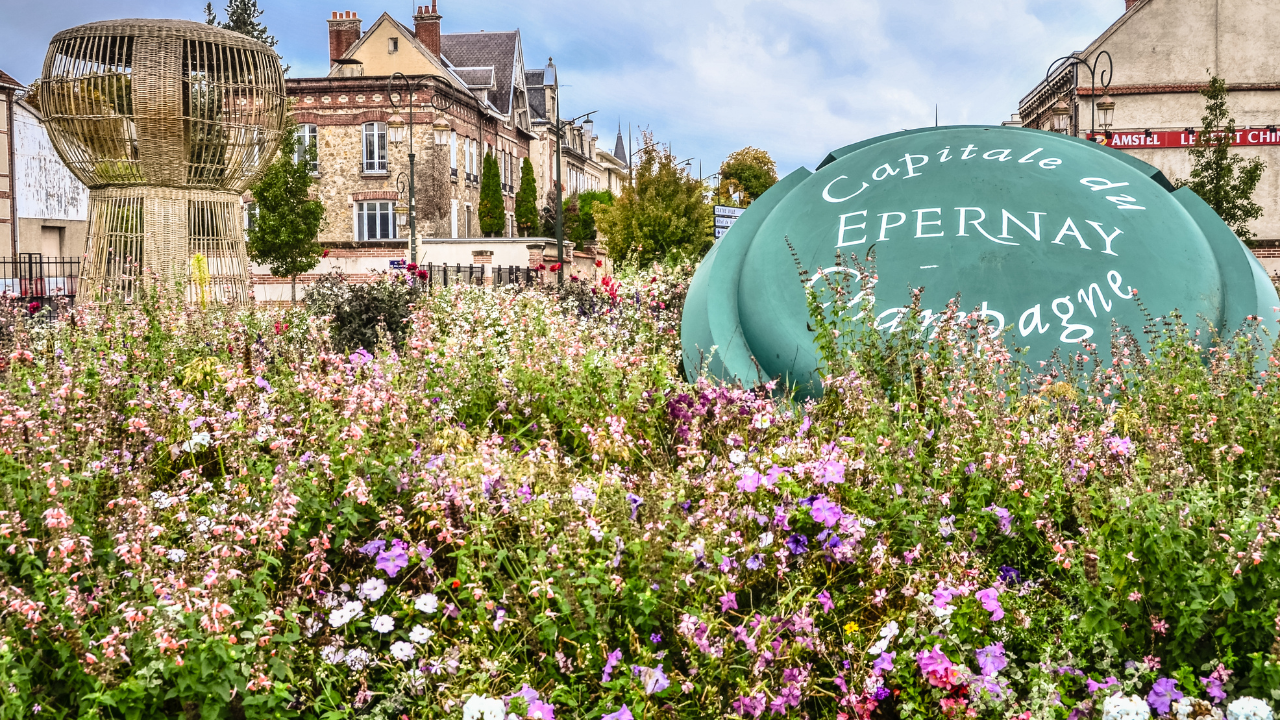
There are places you visit once and places you keep coming back to. The Champagne region is firmly in the second category for me. I've lost count of how many times Mehmet and I have made the drive here; it's become our default answer whenever we need a proper escape. Close enough to feel spontaneous, beautiful enough to feel like a real trip.
What makes Champagne work so well as a destination is that it offers more than the drink itself. Yes, you can come here for cellar tours and tastings, but the region is also about architecture, food, village life, and the landscape that made champagne possible in the first place.
This is a travel guide to the Champagne region of France, covering the best Champagne houses in Épernay, where to eat in Reims, villages worth visiting, and practical tips, including traveling with a dog.
Getting There
The Champagne region sits in northeastern France, about an hour by train from Paris, which feels almost impossible given how calm and unhurried everything feels once you arrive. If you're driving from elsewhere in Europe, it's very doable as a long weekend: roughly 5 hours from Amsterdam, for example.
The two main bases are Épernay and Reims. I'd suggest spending time in both; they have different personalities, and both are worth it.
Start by understanding the two main bases: Reims and Épernay
For most first-time visitors, the region makes the most sense when you think of it in two parts.
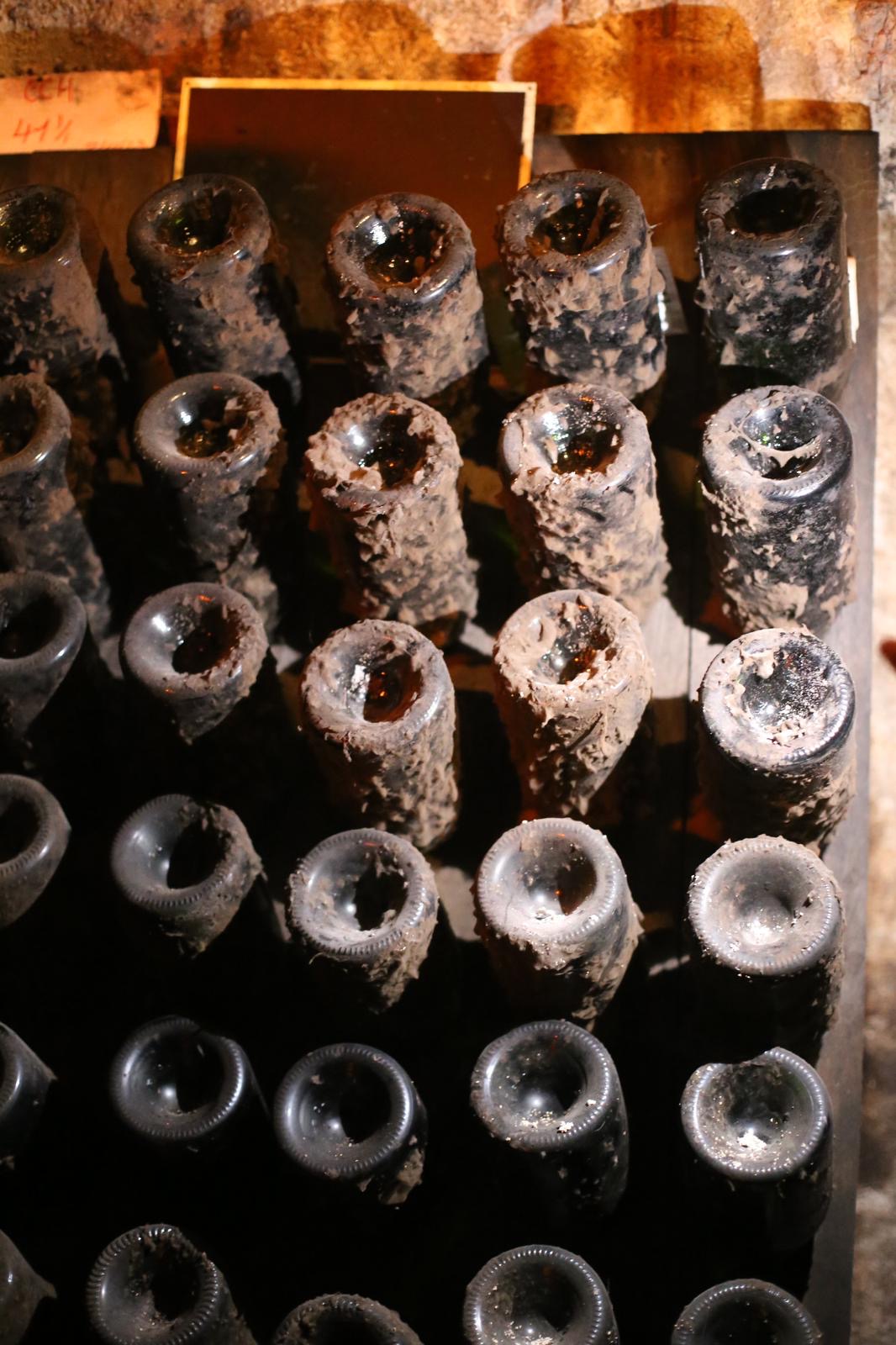
Épernay is the more obviously Champagne-centric base. It is smaller, quieter, and centered around the famous Avenue de Champagne, which is lined with grand, opulent champagne houses, and beneath them, miles of caves where millions of bottles are aging.
Reims is the larger and more rounded city. It still has some champagne houses within walking distance, but it also offers a stronger city break feel: restaurants, shops, bakeries, museums, and major historic landmarks. If you want a trip that mixes tastings with a more urban base, Reims is usually the better choice.
For a short trip, you can choose one and take a day trip to the other. For a longer one, it's worth it to combine both.
If you're deciding where to base yourself, I have a full comparison of staying in Reims vs. Épernay.
Avenue de Champagne is worth it, even if you prefer smaller producers
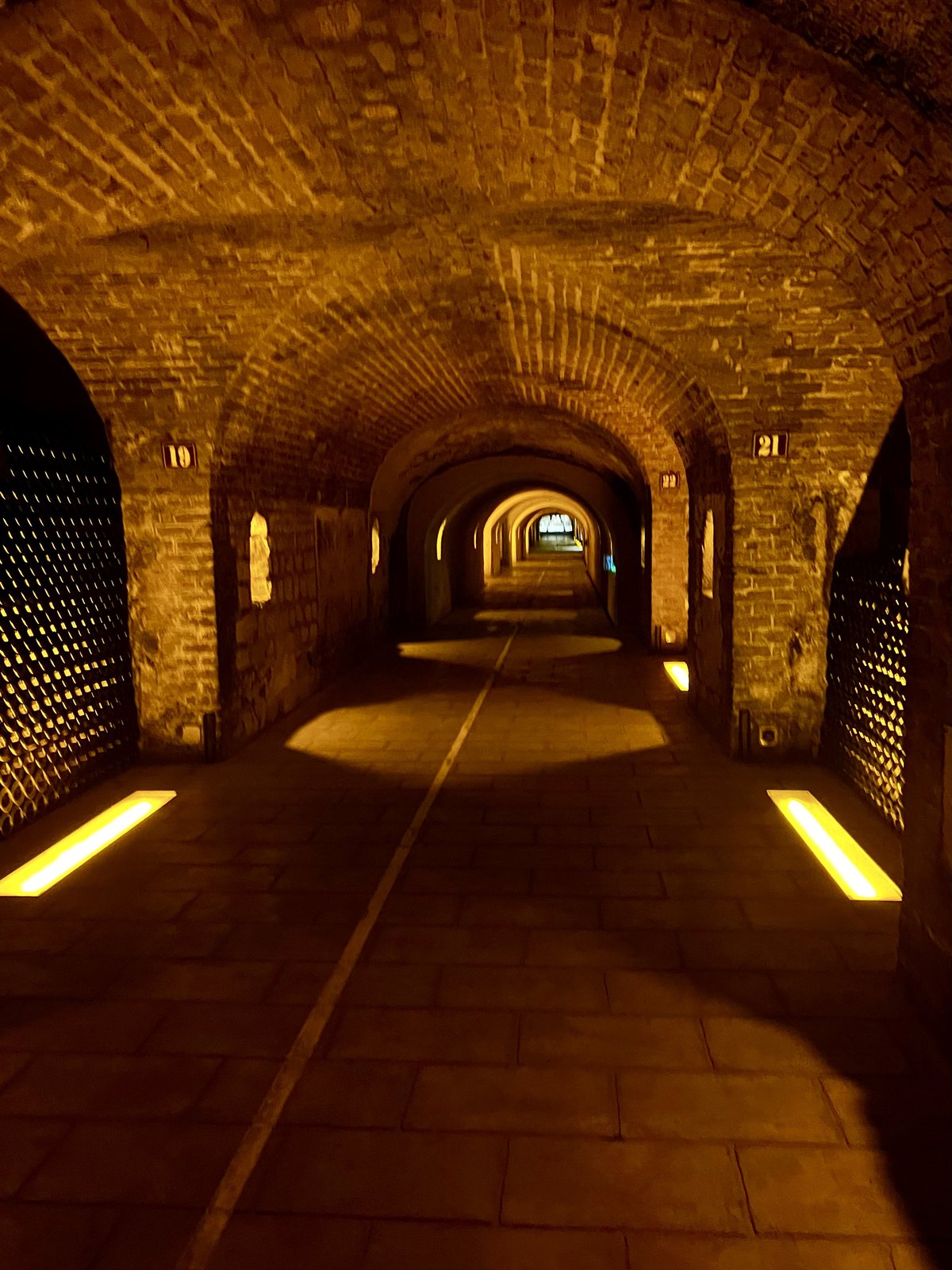
Épernay's Avenue de Champagne is the symbolic heart of the region. It is lined with grand houses, elegant façades, and miles of cellars beneath the surface. Moët & Chandon's cellars alone extend through a 28-kilometre underground network, which gives you a sense of the scale involved here.
Even if you are not someone who usually seeks out famous labels, the Avenue is still worth visiting because it helps explain the grandeur and global mythology of Champagne. This is the polished, historic, high-ceremony side of the region, and it is part of what makes Champagne feel distinct from other wine destinations.
Épernay: The Avenue de Champagne
Épernay is where you come for champagne, full stop. Its famous Avenue de Champagne is one of the most extraordinary streets in France — lined with grand, opulent champagne houses, and beneath them, miles of chalk caves where millions of bottles are quietly aging.
Despite how grand it looks, the avenue is surprisingly approachable. Most houses open their doors for tours and tastings, and you don't need to know anything about wine to enjoy yourself.
The Houses Worth Visiting
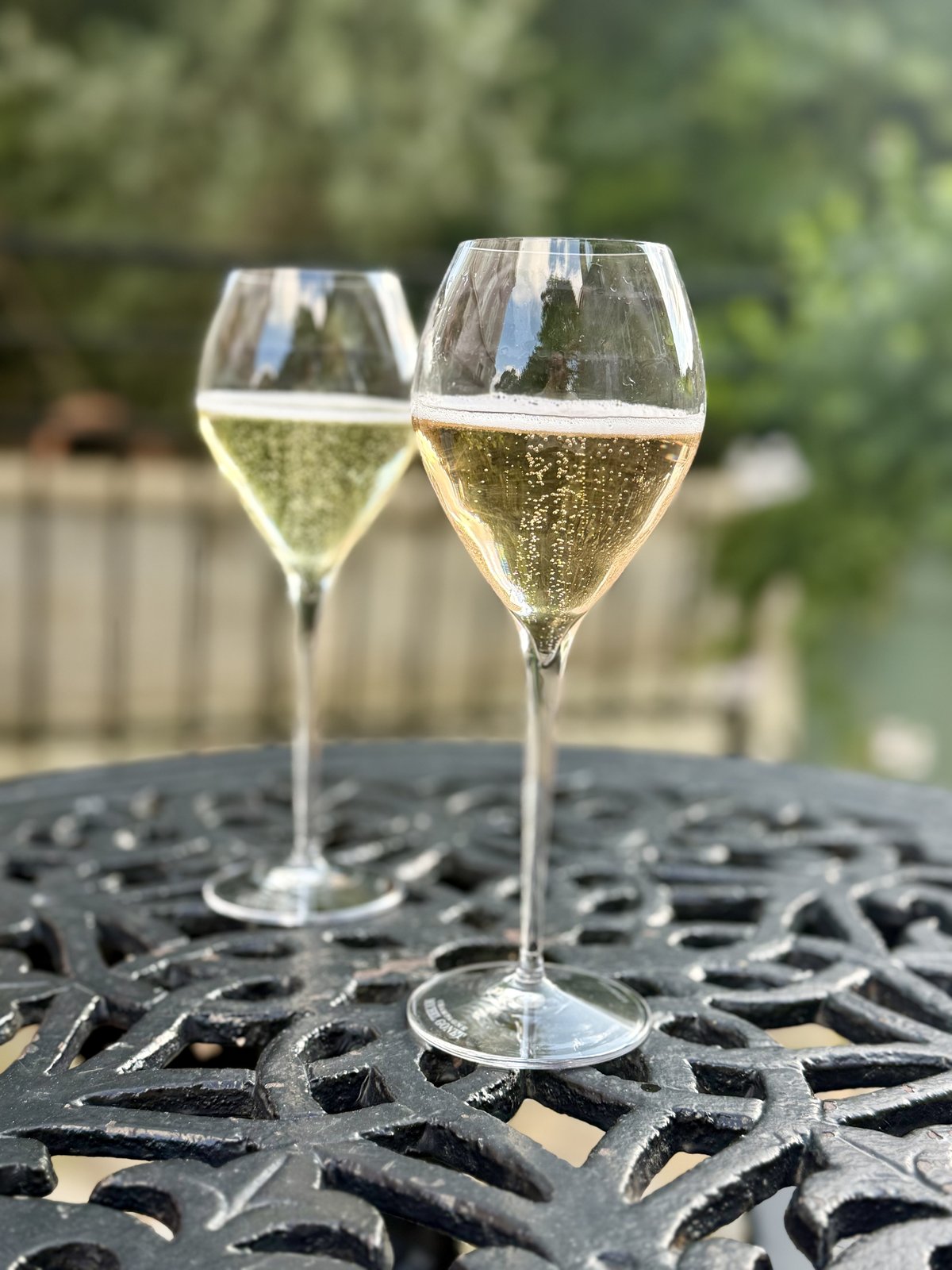
Michel Gonet is my absolute favourite, and I'll keep recommending it until everyone I know has been. As a grower-producer, they cultivate all their own grapes, which isn't as common as you'd think among champagne houses. Their blanc de blancs in particular are exceptional: tiny bubbles, rich and complex, with almost no sweetness. The tasting room and patio are lovely, and the staff has always been genuinely warm and knowledgeable rather than just going through the motions.
Moët & Chandon is worth visiting for the experience, even if you already know the champagne. The cave tour takes you through 17 miles of chalk tunnels; it's pretty impressive, and the house itself is beautiful.
Leclerc Briant is a little off the main avenue but worth seeking out. They take a biodynamic approach to production and are constantly experimenting — aging some of their wine underwater, or in gold-lined barrels. It makes for a fascinating tasting and a very different kind of visit.
A newer discovery for me is Comtesse Lafond, which offers a much more intimate experience than the bigger houses. Stunning views, a beautiful old property, and the kind of tasting where you actually get to slow down and talk about what you're drinking. Their 2014 vintage was a highlight.
Reims: Food, History, and More Champagne
Reims is about a 30-minute drive or quick train ride from Épernay, and it's a proper small city with real restaurants, beautiful architecture, and its own impressive champagne houses. I'd base myself here for at least a couple of nights.
Where to Eat
Le Tablier is my go-to bistro in Reims. It's central, always buzzing, and reliably good. I have a particular soft spot for it because they actually serve decent salads, which I always crave after a few days of rich food and champagne.
La Brasserie du Boulingrin is a classic in every sense: indulgent dishes, a welcoming atmosphere, and the kind of setting that makes you feel like you're doing France properly. The oysters are excellent.
For something a bit more special, L'Alambic is wonderful. The lower level is set in an old cellar, which is exactly the atmosphere you want for a meal in Champagne. We ate well here; escargot in a foamy, garlicky sauce to start, then perfectly cooked beef and lamb, and a chocolate dessert that was exactly right.
What to See
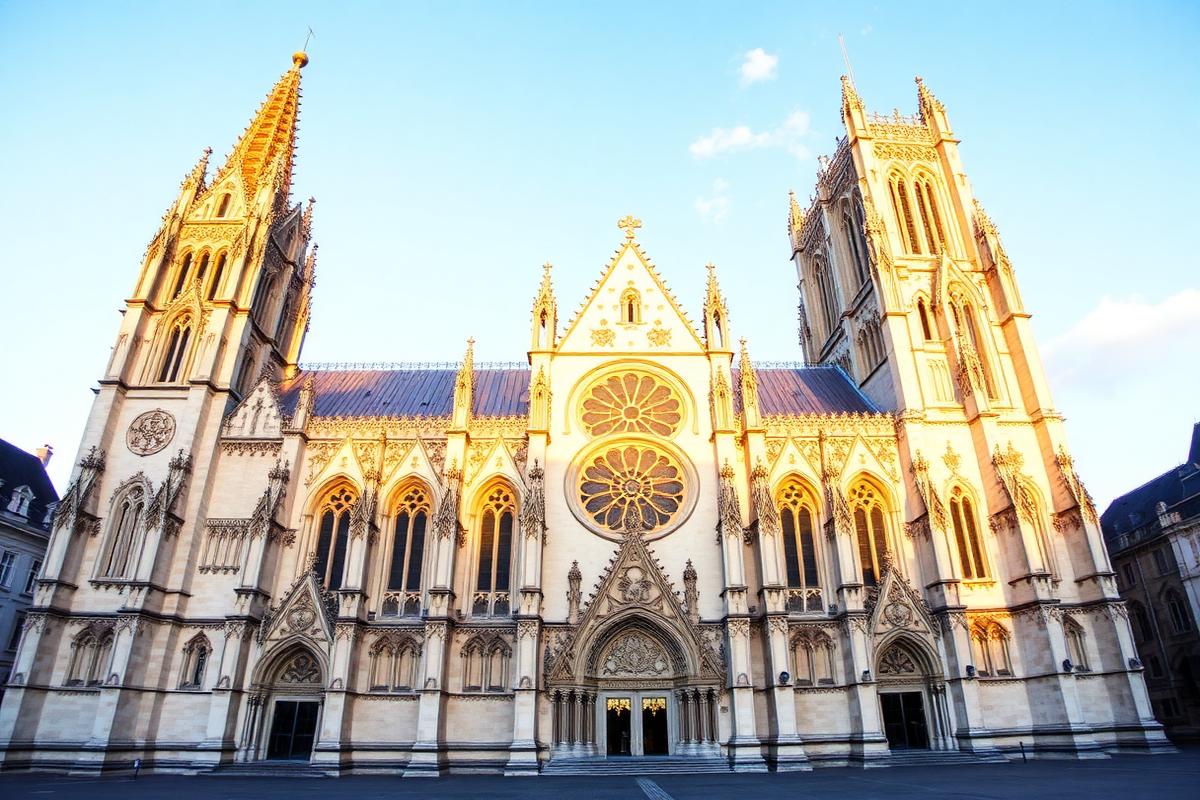
The Reims Cathedral dominates the city centre and is absolutely worth a visit. It was the coronation site for French kings for over 1,000 years, and the interior is stunning. It's a UNESCO World Heritage site, and unlike a lot of famous landmarks, it genuinely lives up to its reputation.
Reims also has its own champagne houses. On my last trip, I particularly enjoyed G.H. Mumm. Their cellar tour is very detailed, and I was interested to learn they've created the first champagne designed to be drunk in space.
Hautvillers is one of the best village stops in the region
If you only add one village beyond Reims and Épernay, make it Hautvillers.
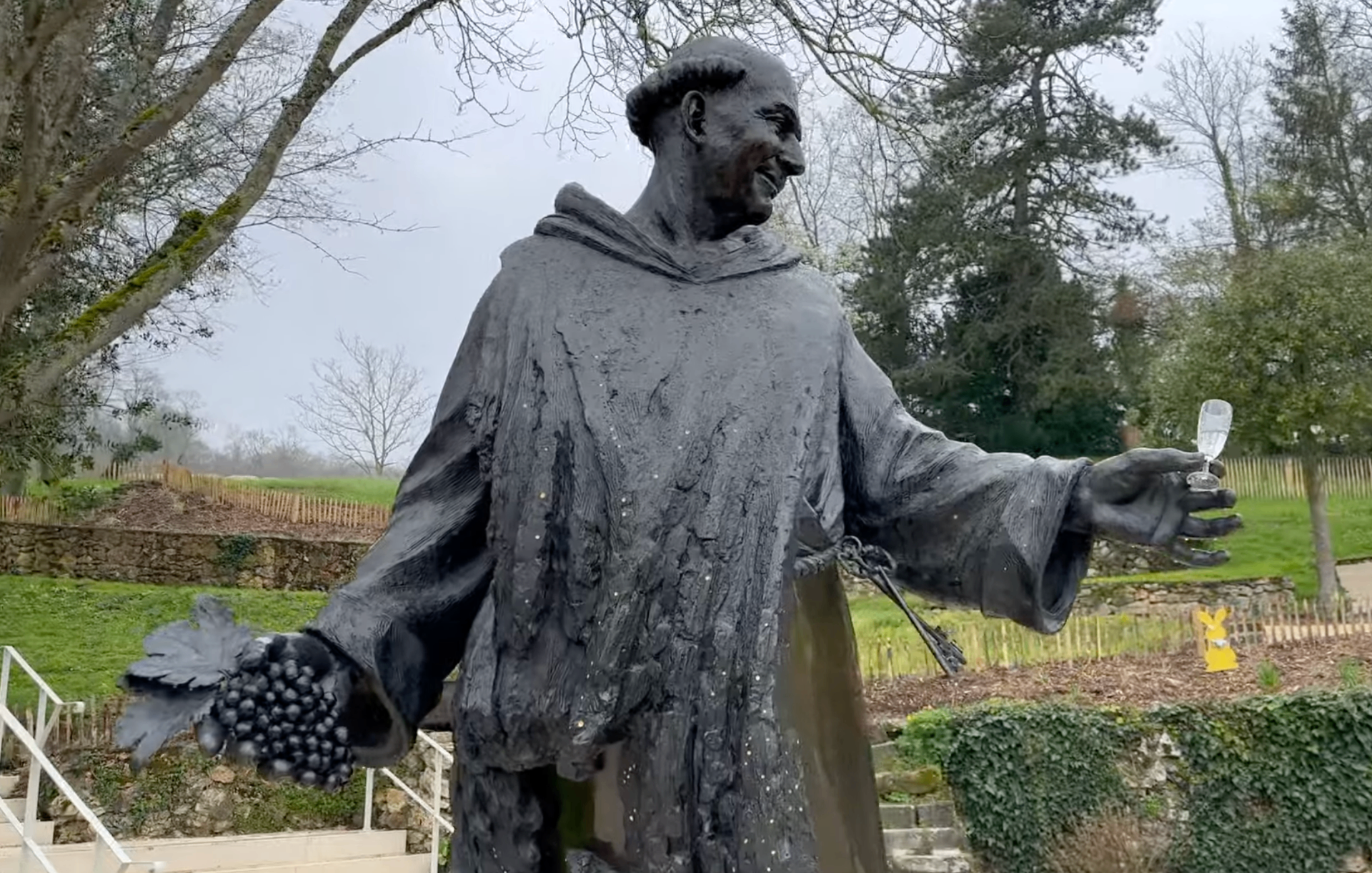
It's famously the home, and now the resting place, of Dom Pérignon, the monk widely credited as the father of champagne. You can visit the abbey where he worked for decades and see where he's buried.
Beyond the history, the village itself is charming: narrow streets, artisan shops, small tasting rooms, and a handful of good restaurants. On a rainy visit, we ended up at Au 36 for hearty, comforting dishes.
Traveling with a Dog?
Bindi has been to the Champagne region as many times as I have, and like most of France, it's very dog-friendly. Most champagne houses will allow dogs for tastings, but they are generally not allowed for cellar tours, so plan accordingly. The Avenue de Champagne has plenty of outdoor terrace spots where your dog can join you. Reims also has a large park that's great for dog walks. Most restaurants and shops are also dog-friendly.
Final thoughts
The Champagne region is at its best when you treat it as more than a tasting destination.
Go for the Avenue de Champagne and the famous houses, but also make time for smaller producers. Use Reims for history, food, and city energy. Add Hautvillers for village charm. Don't try to see every house on the avenue in a day; pick two or three and actually spend time at each one. Have a long lunch. Wander. Buy a bottle of something you've never heard of from a small producer. That's when it gets really good.