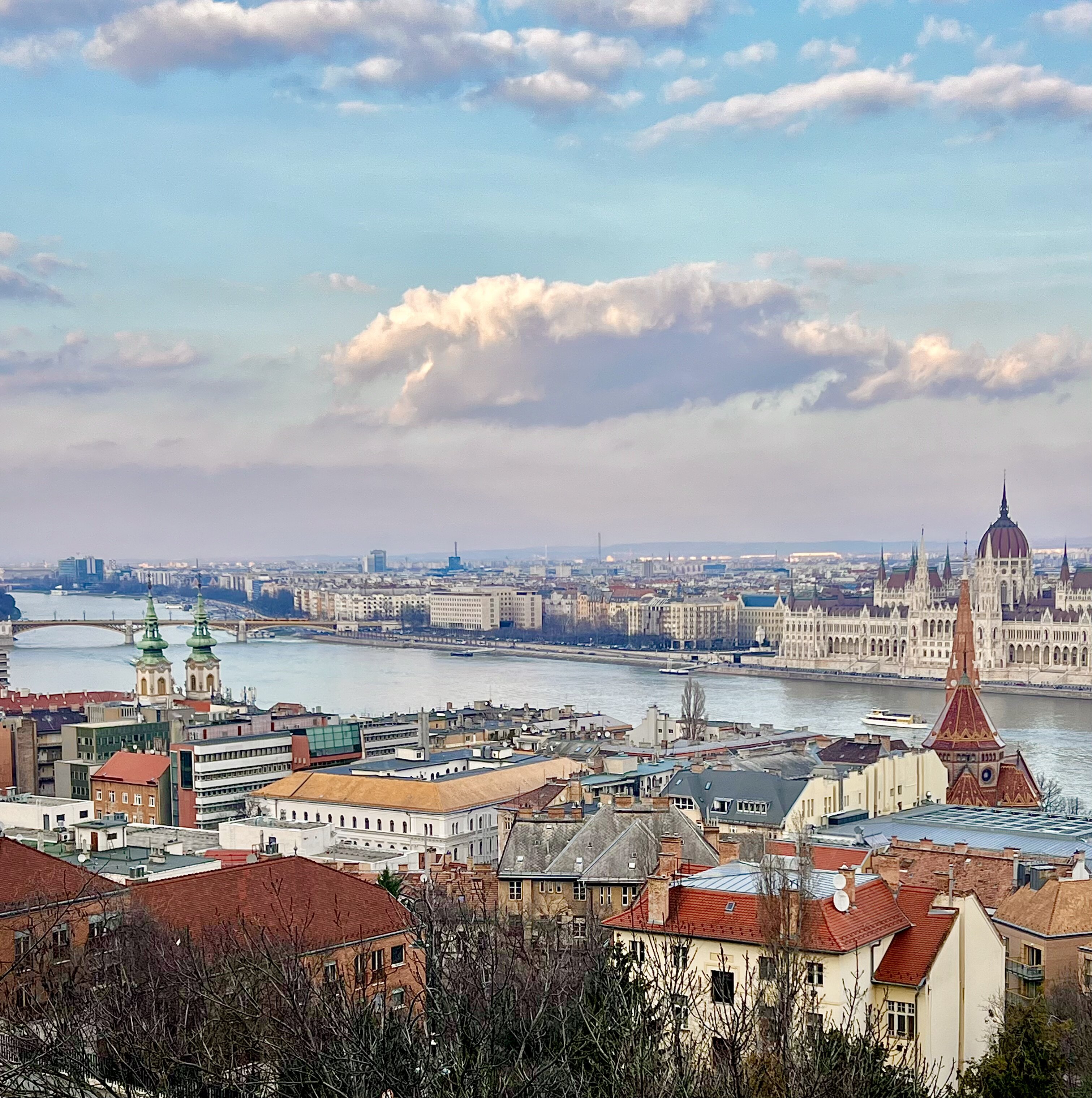
Budapest is one of those cities that unexpectedly left a big impression on me.
Split by the Danube into Buda and Pest, the city is visually dramatic from the start. Walk along the river, and you will quickly be drawn in multiple directions. On one side, the white towers of Fisherman's Bastion and the Buda Castle District; on the other, the enormous Hungarian Parliament building rising over the embankment. The Danube, the Buda Castle Quarter, and this stretch of the city are part of Budapest's UNESCO World Heritage site.
But as striking as Budapest is, what surprised me most was the food.
Budapest has a much better food scene than many people expect
A lot of first-time visitors arrive knowing the basics: goulash, paprika, lángos. Those are all local favorites, but there's still so much more! There are old-school dining rooms, lively Hungarian restaurants, elegant bistros, impressive coffeehouses, natural wine bars, and plenty of lighter, more modern places too.
One of the most memorable meals I had in Budapest was at Cafe Pierrot, in the Buda Castle District. Set in a historic building on one of the area's fairytale-like streets, it felt romantic without being stuffy. The live music, warm service, and classic setting would have been enough on their own, but the food was excellent too. This is the kind of place that works especially well for a slower dinner after spending the day exploring the castle complex.
For a more playful, high-energy Hungarian meal, VakVarjú was a highlight. We went on the recommendation of a Hungarian friend, and it turned out to be exactly as he described: lively, welcoming, a little theatrical, and genuinely fun. The schnitzel was enormous, the beef with noodles in mushroom sauce was comforting, and it was also a good place to try pálinka, the traditional Hungarian fruit brandy.
If you want something more polished, Stand25 Bistro is worth noting. It is the sister restaurant of Michelin-starred Stand, and it makes a strong case for how good modern Hungarian cooking can be when it is rooted in local ingredients and classic flavors.
And then there is lángos, which you really should try at least once. Yes, it is fried dough, often topped with sour cream and cheese. Yes, it sounds heavy. It is also delicious, inexpensive, and exactly the kind of filling street food that makes sense the moment you eat it.
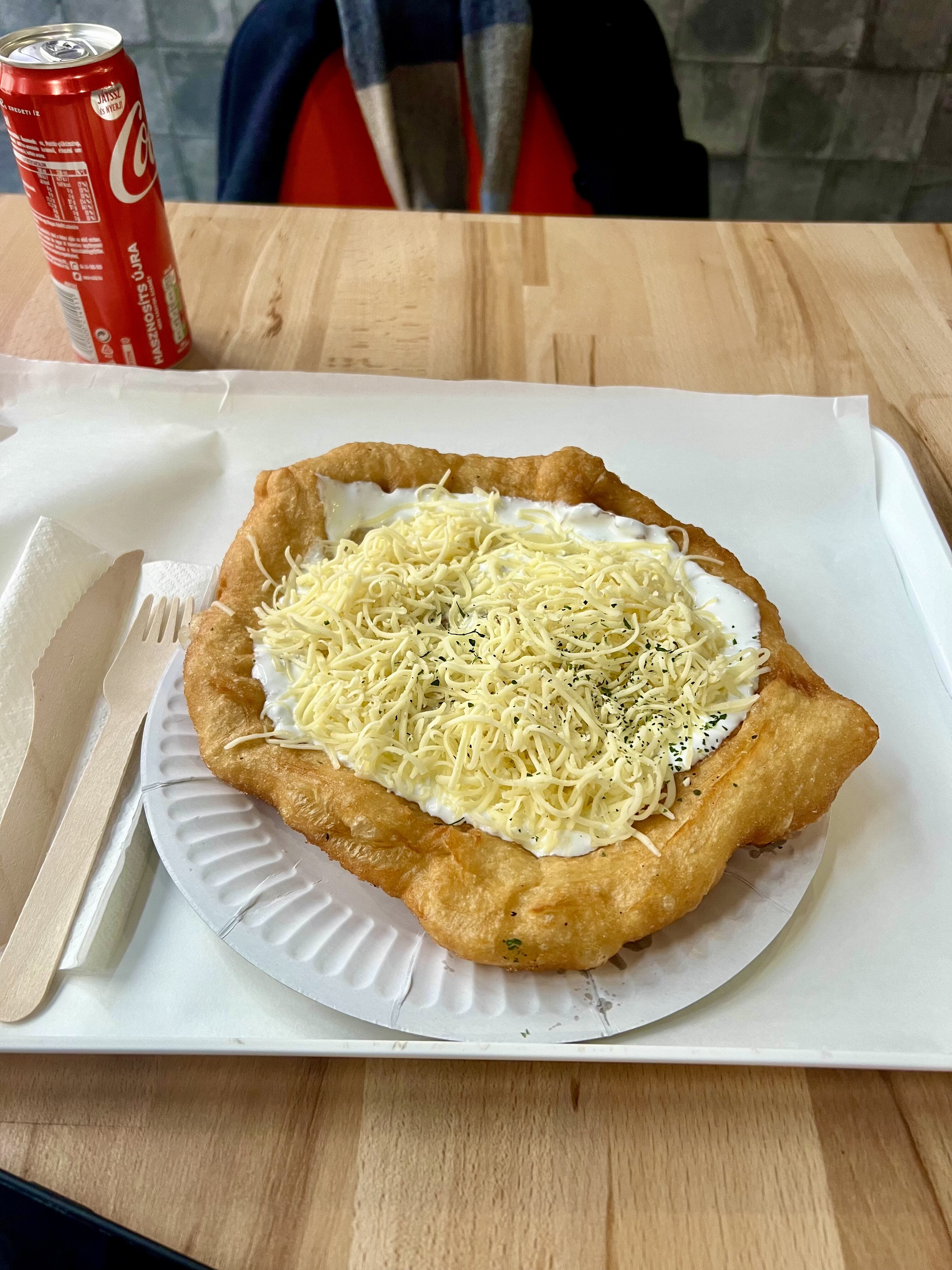
One of the things I liked most about eating in Budapest, though, was the range of options. Alongside the richer Hungarian classics, I also found very good lighter meals, specialty coffee, and vegetable-forward options. Places like Franziska and Pingrumba helped when I wanted lighter, healthier meals. I left the city with a longer "to-try" list than I arrived with!
The coffeehouse culture is part of what makes Budapest special
Budapest's coffeehouses are not just pretty places to stop for a brew. Historically, coffeehouses were important gathering spaces across the Austro-Hungarian world, and Budapest's were especially associated with writers, artists, journalists, and intellectual life. That legacy still shapes how the city feels today.
The most famous is New York Café, and it really is as opulent as people say. It sits inside the New York Palace, a late-19th-century building created for the New York Life Insurance Company, and the interiors are so ornate that many first-time visitors feel as if they have wandered into a palace rather than a café. It is touristy, and it is expensive, but if you care about architecture and historic interiors, I still think it is worth seeing at least once.
I personally preferred Café Gerbeaud for lingering. It was calmer, a little less theatrical, and easier to enjoy at a slower pace. Budapest also has no shortage of modern specialty coffee shops, which gives the city a nice balance: historic grandeur when you want it, more casual third-wave coffee when you do not.
A lot of the classic attractions in Budapest are famous for a reason
Fisherman's Bastion, in the Buda Castle District, is one of the city's most iconic landmarks. The current structure dates to the turn of the 20th century, and the views from its terraces over the Danube and Pest are excellent. It is one of those rare places that somehow looks better in real life than it does in photos.
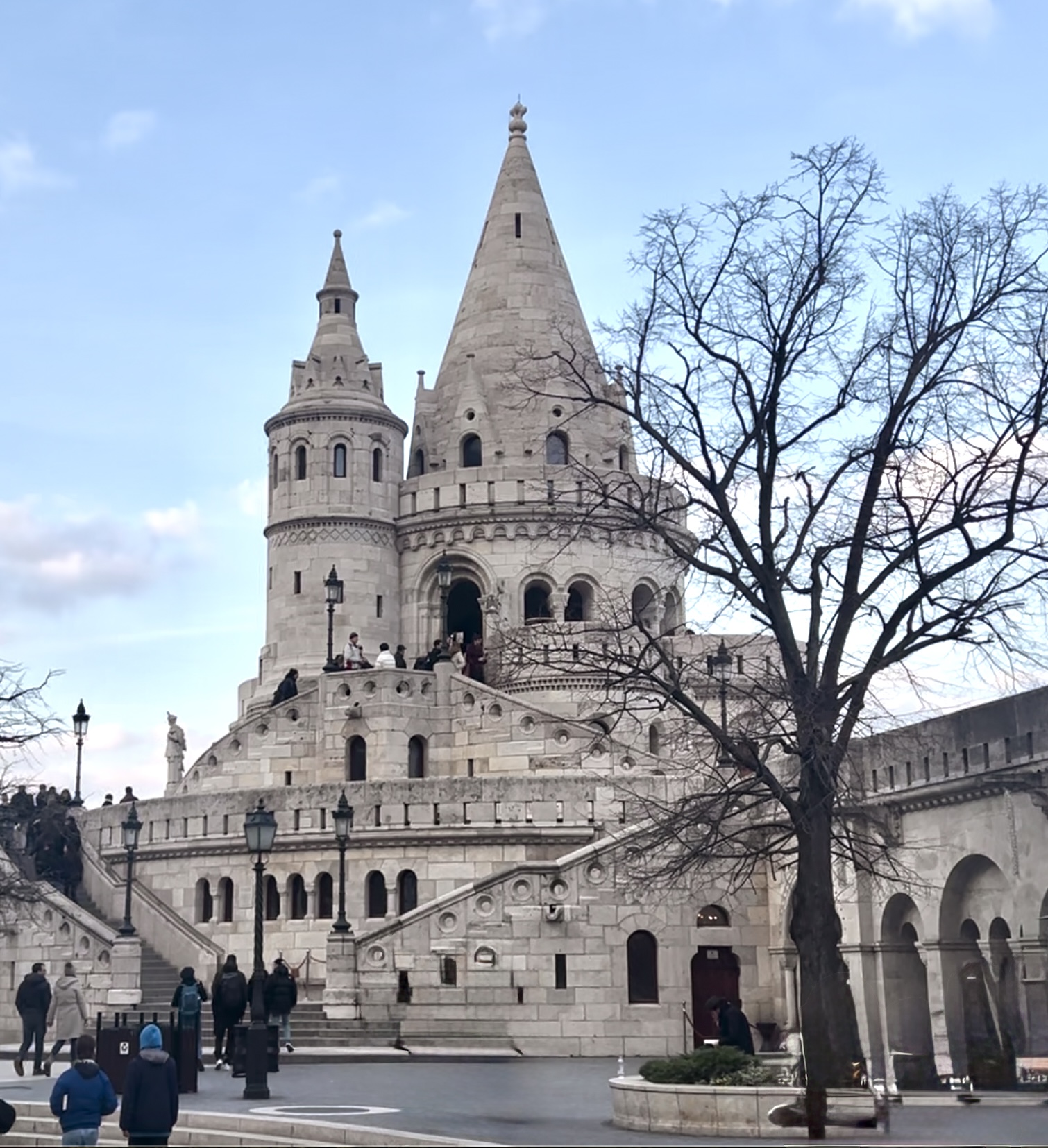
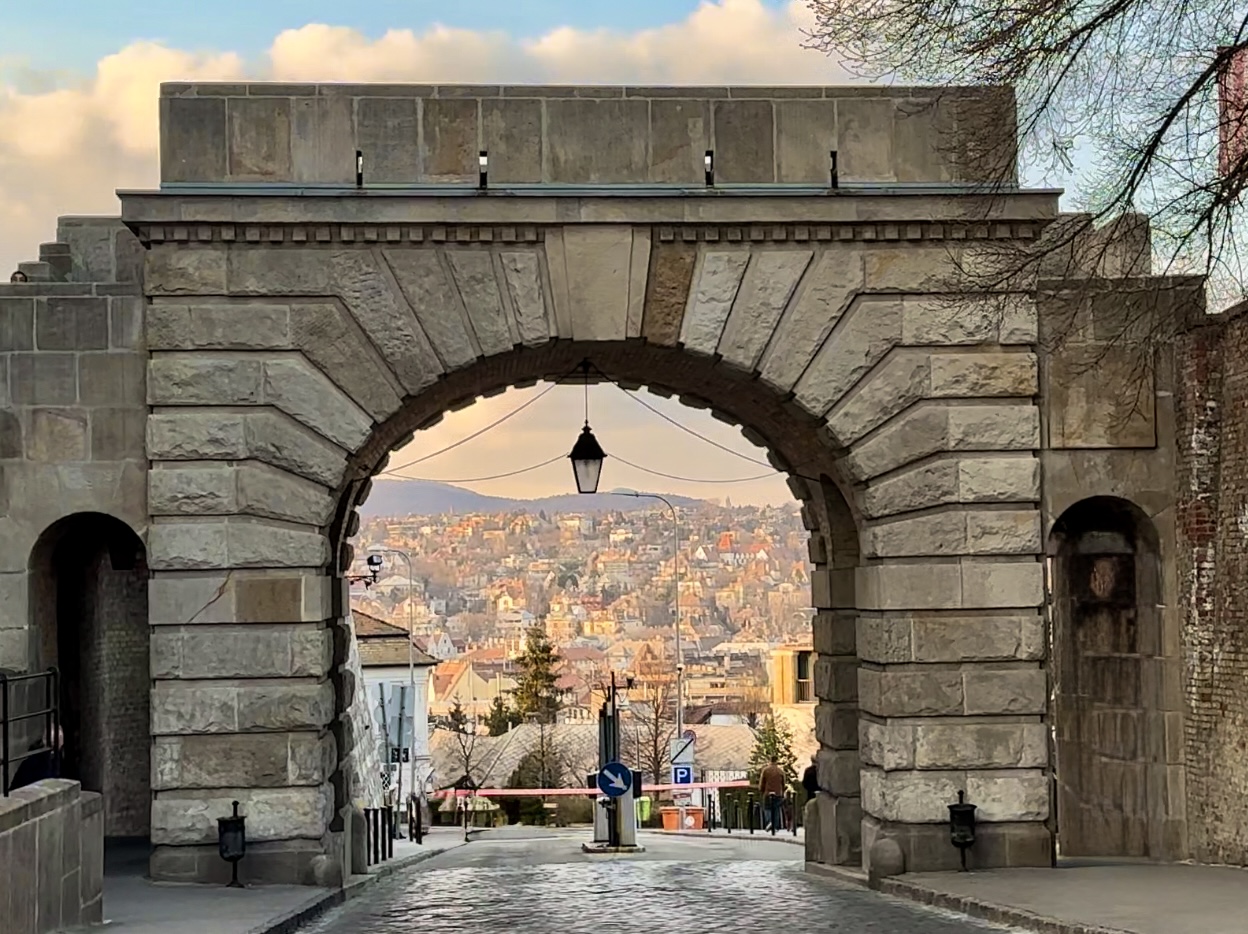
The surrounding Buda Castle District is equally worth your time. Founded in the 13th century, it is full of historic buildings, small streets, viewpoints, museums, and a kind of layered atmosphere that makes wandering feel rewarding even when you have no specific destination. The district forms part of Budapest's UNESCO-listed historic core.
On the Pest side, the Hungarian Parliament Building is one of the city's defining sights, especially from across the river or while walking along the Danube embankment. Even if you never go inside, it is hard not to stop and stare.
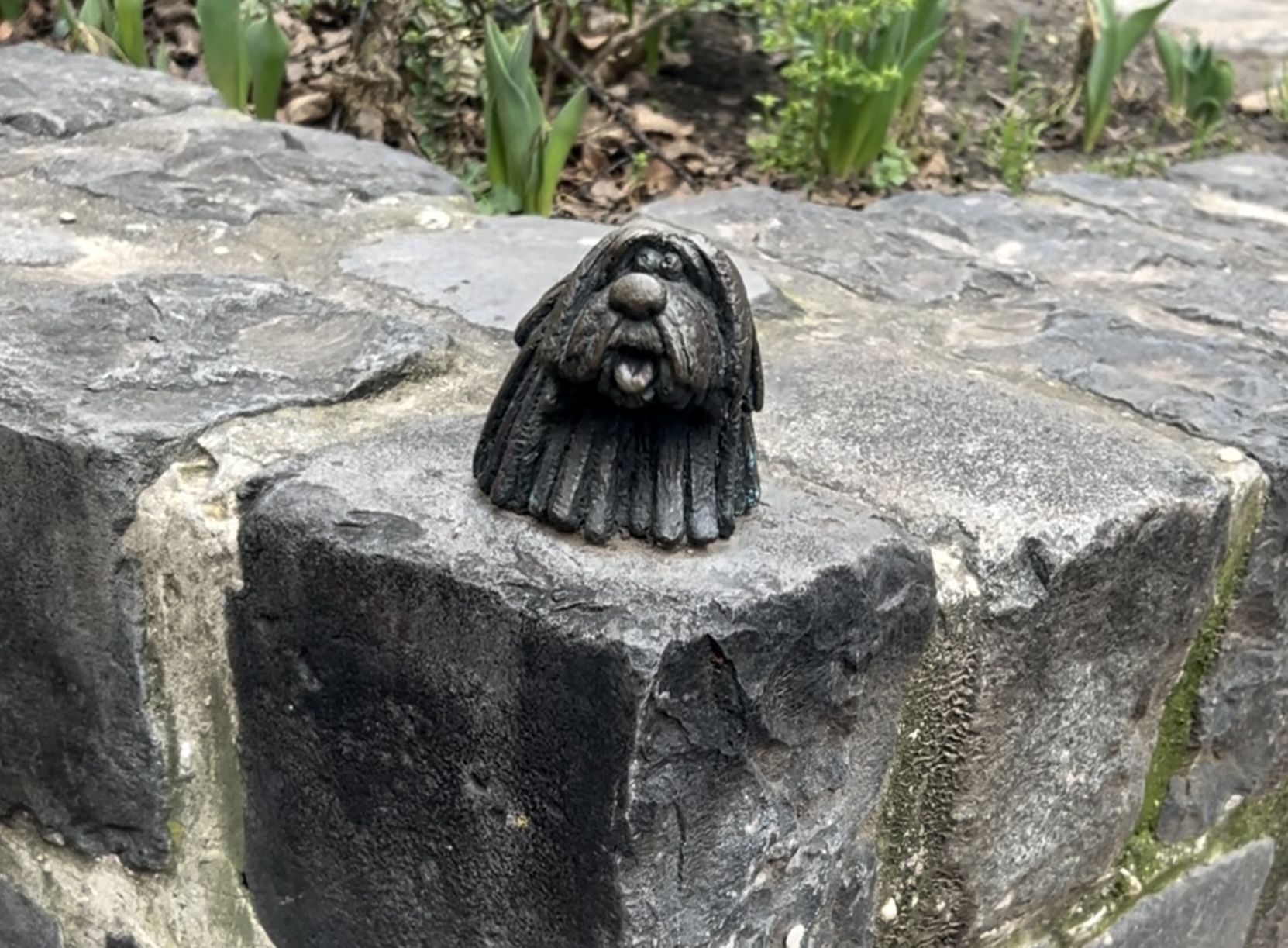
For something more contemporary and a bit more playful, keep an eye out for the city's mini statues by sculptor Mihály Kolodko. These small works are scattered around Budapest and are easy to miss unless you know to look for them, which makes finding them all the more fun.
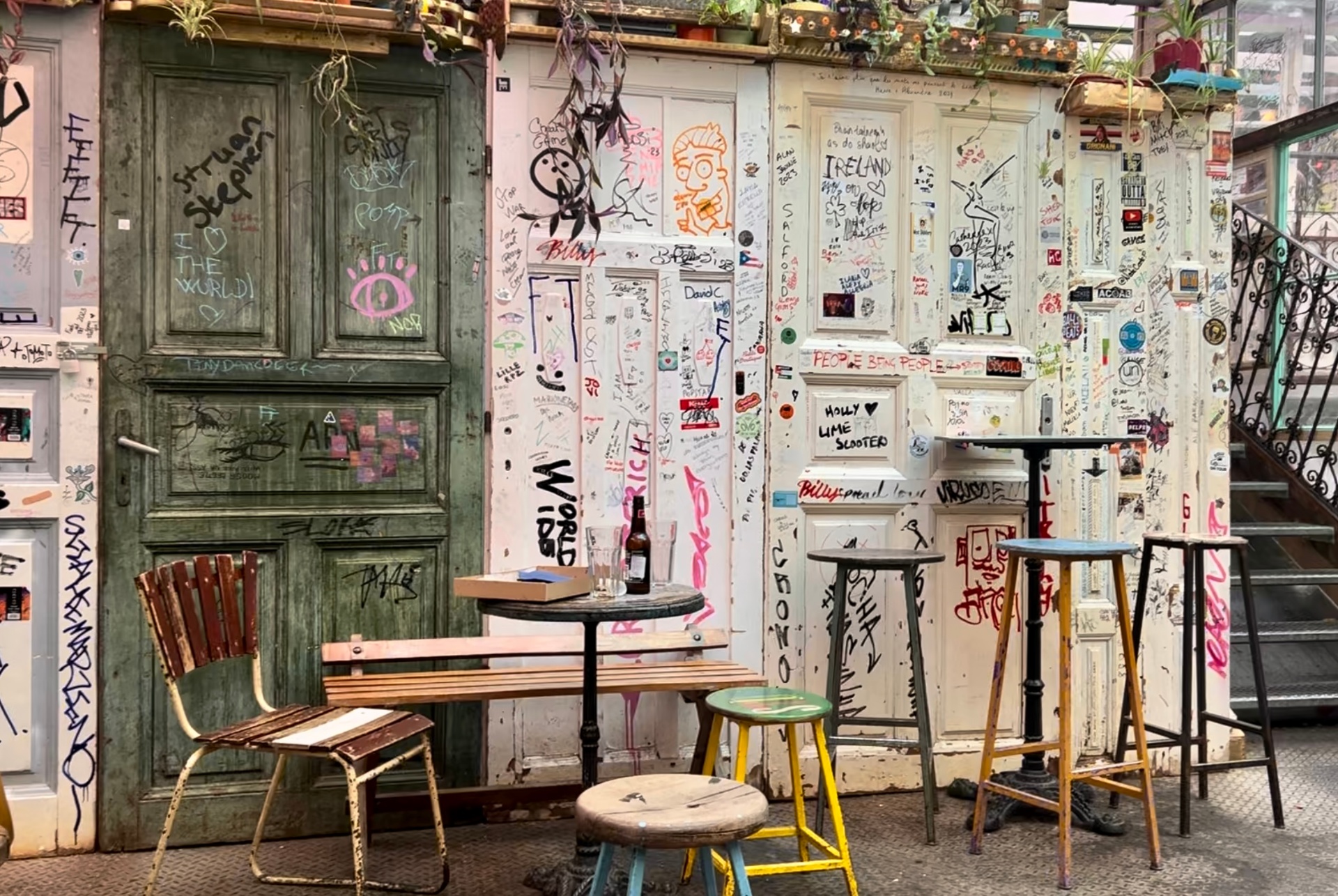
And then there are the ruin pubs, one of Budapest's most unique spots. These bars emerged in the early 2000s in old buildings in District VII, with mismatched furniture, vintage objects, layered décor, and an anything-goes atmosphere. Szimpla Kert remains the most famous example, and even in the afternoon, it feels like a whole experience rather than just a place to get a drink.
Budapest's history is visible in ways that are both beautiful and sobering
One of the reasons Budapest feels like more than just a pretty city break is that its history is so present in the streets.
The Shoes on the Danube Bank memorial is one of the city's most affecting stops. Sixty pairs of iron shoes line the riverbank in memory of victims murdered on the Danube during World War II. It changes the tone of a walk and reminds you that Budapest's beauty and elegance exist alongside a much darker history.
That contrast is part of what makes Budapest compelling. You can spend the morning taking in grand river views, the afternoon wandering through café interiors and historic streets, and then find yourself at a memorial that completely shifts your perspective.
Is Budapest dog-friendly?
By our experience, yes, more than many travelers might expect.
Because so many of Budapest's big sights are outdoors or easy to appreciate from the outside, it worked well as a city to explore with our dog. We also found that restaurants were generally welcoming, and Bindi often got a very warm reception.
For public transport, Budapest's transit authority says dogs can travel with a ticket or appropriate pass, and if they are not in a closed carrier, they must be on a lead and wear a muzzle or mouth guard, though this didn't seem to be enforced.
Final thoughts on visiting Budapest
Budapest is one of Europe's most rewarding capitals for travelers who want beauty, depth, and good food in equal measure.
It has the grandeur people expect, but it also has warmth, range, and a surprisingly varied dining scene. It can feel more relaxed than some of Europe's most visited capitals, and less polished in a way that actually adds character. For me, that combination of striking architecture, layered history, coffeehouse culture, and memorable meals is what makes Budapest so easy to recommend.
If you are planning a trip and want a European city that feels both classic and distinctive, Budapest is absolutely worth your time.