When most people picture a trip to Greece, they imagine the whitewashed houses of Santorini, the beach clubs of Mykonos, or maybe a ferry-hopping adventure through the islands.
And I get it. The Greek islands are iconic for a reason.
But I think mainland Greece deserves just as much attention, and the Peloponnese is a great place to start. This region has turquoise water, ancient ruins, beautiful seaside towns, warm hospitality, and some of the best food we ate in Greece, without feeling like we were simply following the same itinerary as everyone else.
The Peloponnese is home to Greek myths, olive oil, mountain villages and beach towns. Basing yourself in Nafplio makes it easy to explore places like Mystras, Kalamata, Sparta, Epidaurus, and Corinth, and if you're traveling with a dog, many places are dog-friendly!
Why Visit the Peloponnese?
The Peloponnese is a large peninsula in southern Greece, connected to the mainland near Corinth. It's the type of place where you can visit an ancient theater in the morning, swim in clear blue water in the afternoon, and end the day with grilled meats and local wine. For travelers who love food and history, it's hard to beat.
This is not the part of Greece I'd choose if I wanted to just lay around at the beach all day. But if you like road trips, small cities, archaeological sites, and local tavernas, the Peloponnese is a great choice. It also works especially well if you're flying into Athens and want to see more of Greece without immediately heading to the islands.
Where to Base Yourself: Nafplio
We based ourselves in Nafplio, and I'd make the same choice again.
Nafplio is one of the prettiest towns in the Peloponnese. It sits on the water, has a flower-lined Old Town, boutique shops, small beaches, historic fortresses, and plenty of restaurants and cafes. It was also the first capital of the modern Greek state from 1823 to 1834, which gives the town a sense of historical importance.
What to Eat in Nafplio
Nafplio has an excellent food scene.
Within minutes of arriving, we walked down to Paralia Arvanitias, a small beach right in town. The water was crystal clear, and next to the beach is BluBlanc, a beach club where we stopped for drinks and a light dinner.
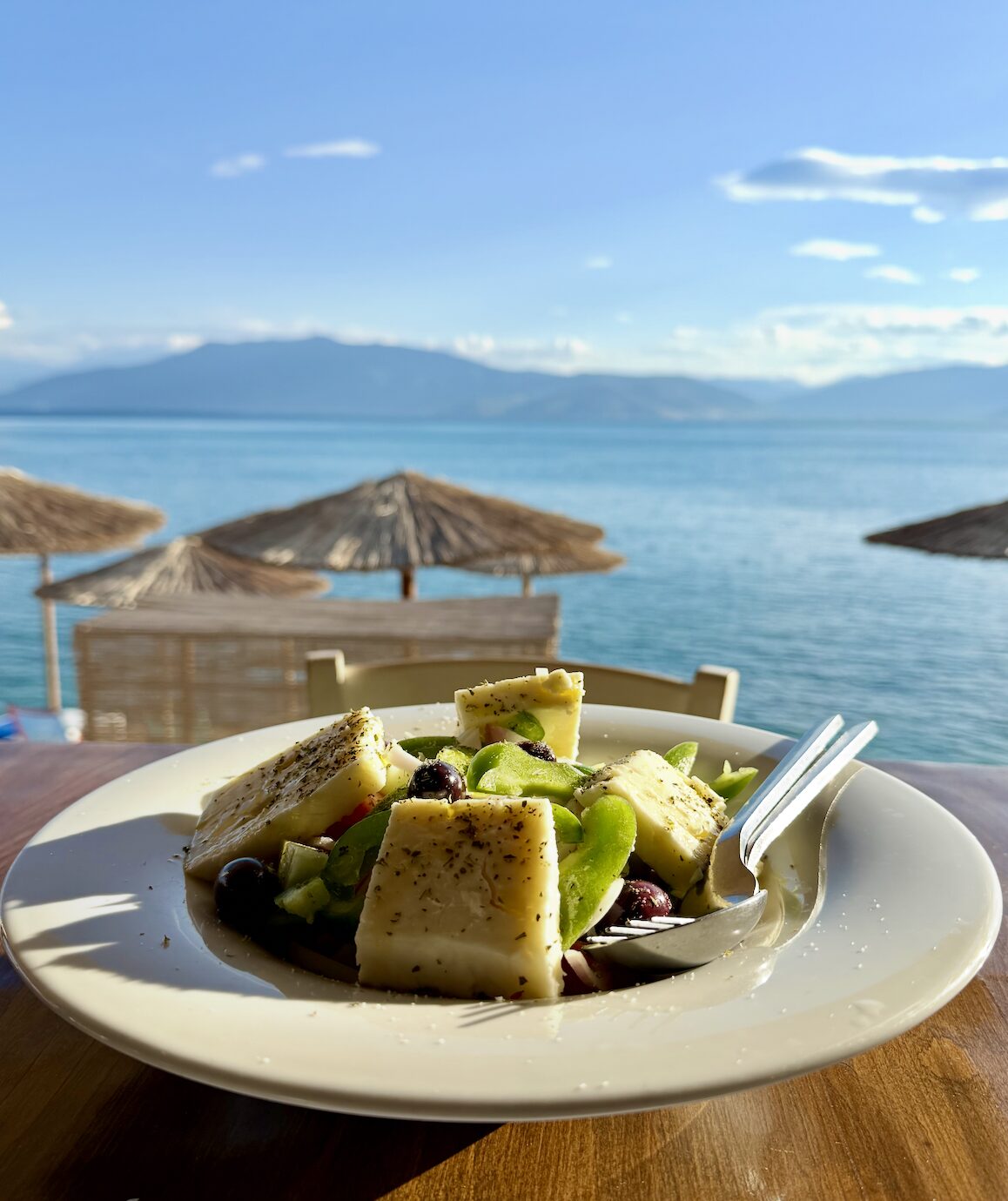
It was exactly the kind of first meal you hope for in Greece: Greek salad with plump purple olives, fried zucchini, and talagani, a Greek cheese that had been lightly fried and topped with a slightly sweet, slightly spicy pepper jam.
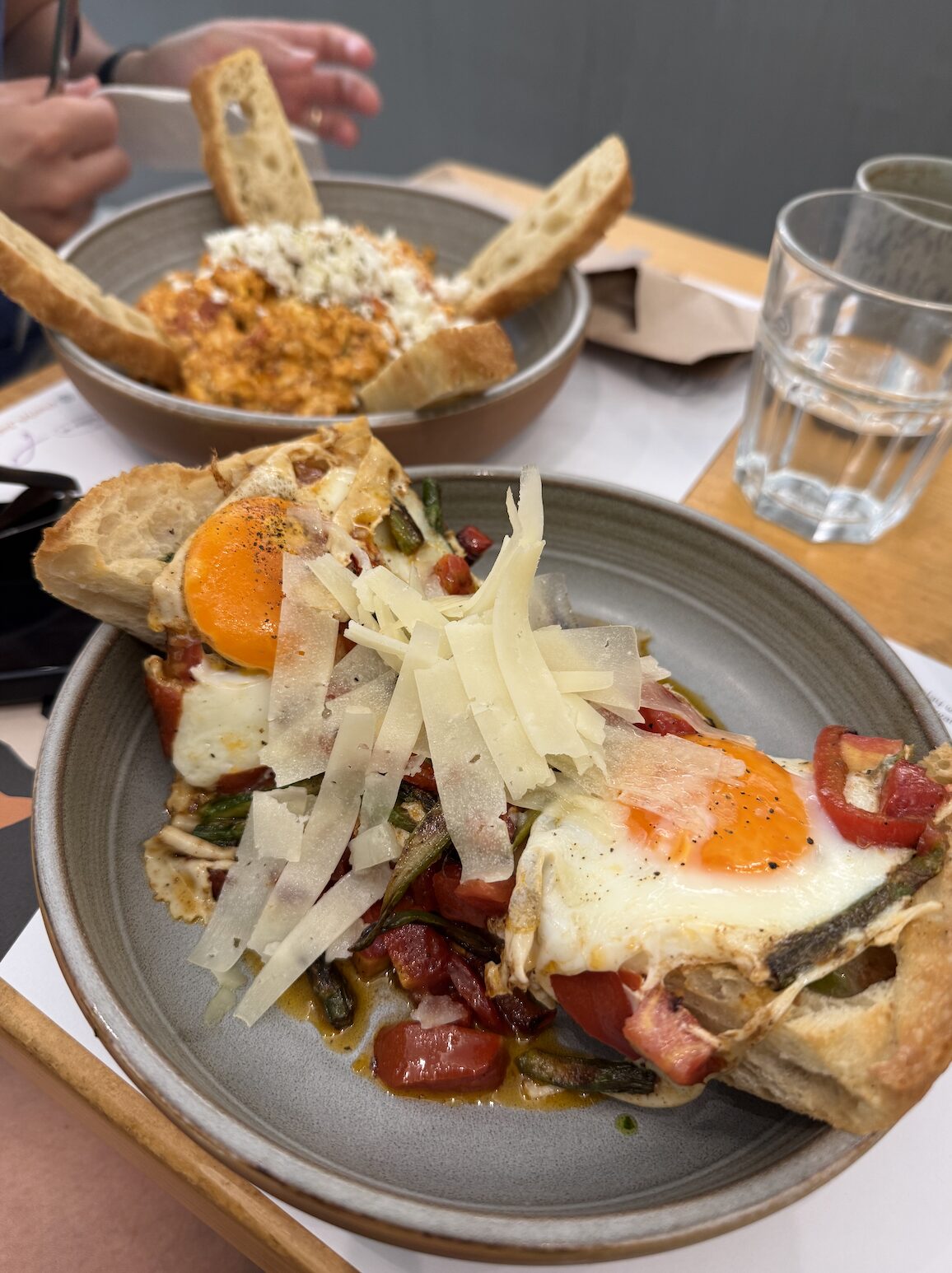
For breakfast, we loved Charlie's Bakehouse, which might have been the most dog-friendly place we visited in town. Bindi got attention, water, and a treat, and we got one of the best breakfasts we'd had in a long time. The food was freshly made, and hearty, which is exactly what you want if you're going to spend the day exploring. The coffee was also excellent, and we are admittedly very judgmental when it comes to coffee.
Another favorite morning stop was The Fox, where we got freddo cappuccinos and one of our favorite Greek foods: bougatsa. If you haven't had bougatsa before, it's a pastry made with thin, crispy layers of phyllo and a creamy custard filling. The best versions are crunchy, warm, creamy, and not too sweet.
For dinner, Gastro Noulis Taverna was a highlight. We had roasted apricots with bruleed cheese, lamb with orzo, and a grilled kebab-style platter. We also had a lovely meal at The Nest, a waterfront restaurant with great service, seafood, meat dishes, and a very relaxed setting.
And for strong coffee, Baristo did not disappoint.
Things to Do in Nafplio
Even if you do nothing more than wander Nafplio's Old Town, sit by the water, and eat well, you'll probably be happy.
But there's a lot to see here too.
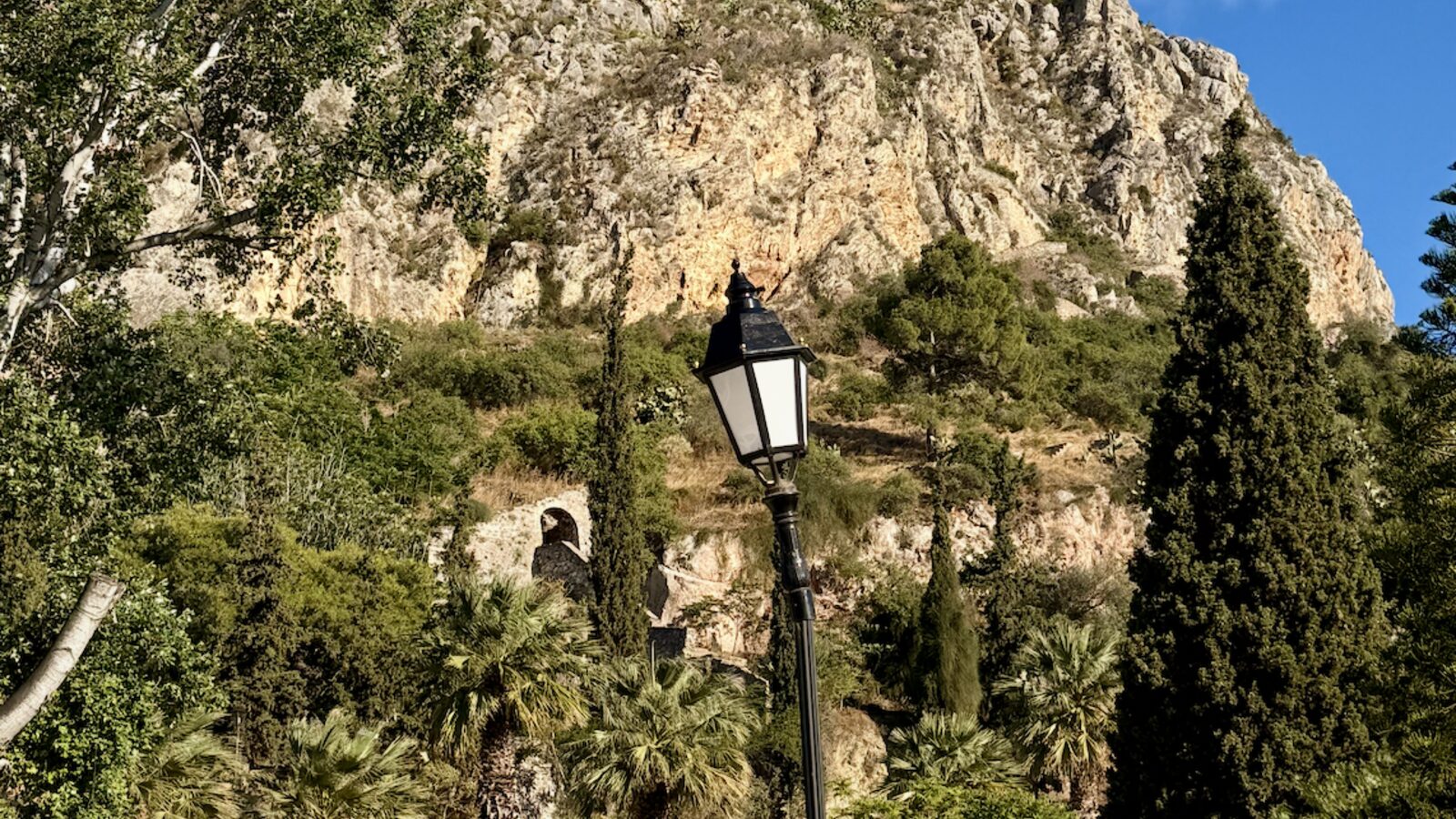
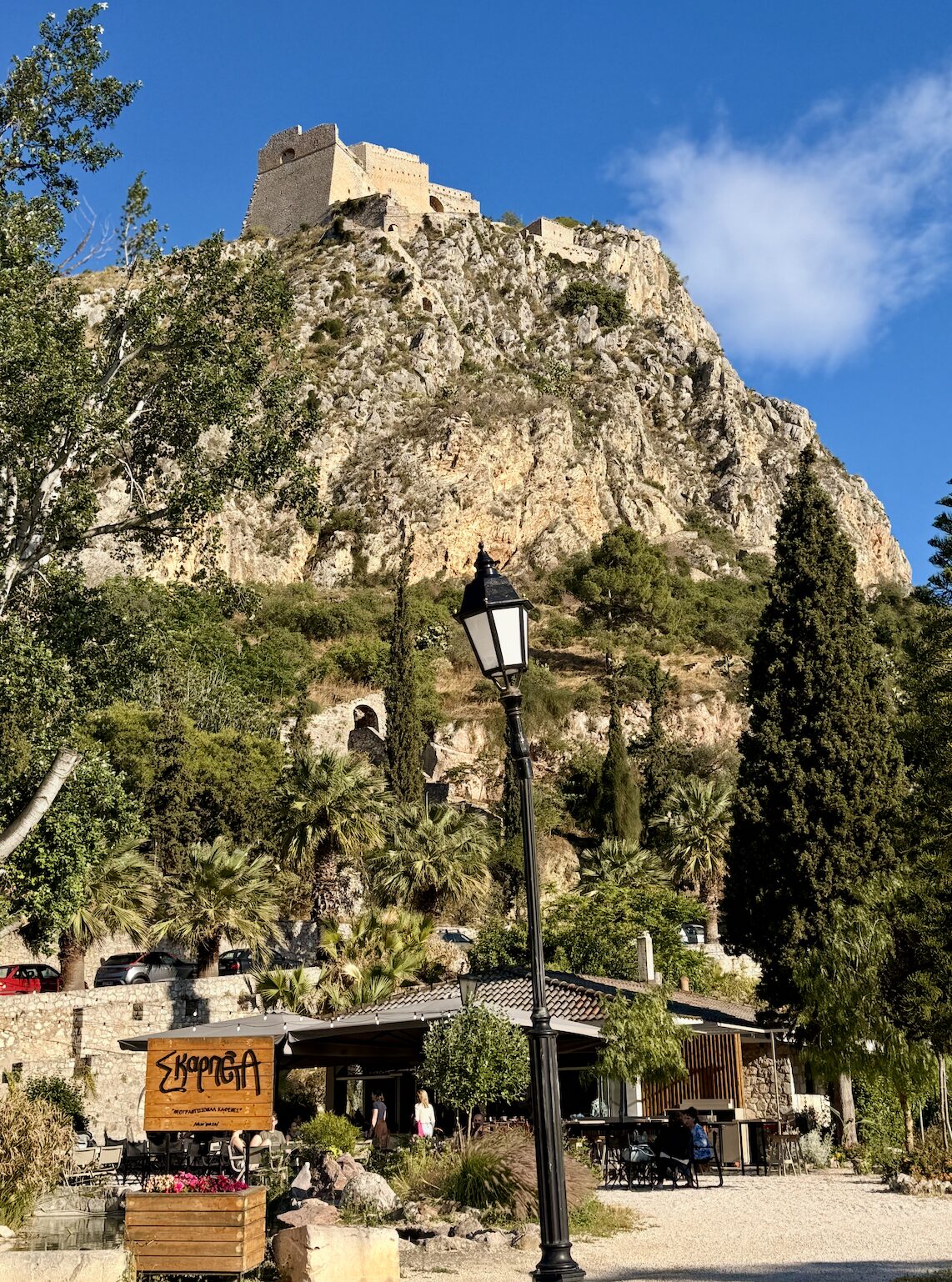
The Palamidi Fortress towers above the town and is one of Nafplio's most recognizable landmarks. We couldn't go inside with Bindi when we visited, so we admired it from the outside instead. If you're traveling without a dog, it's one of the main sights in town.
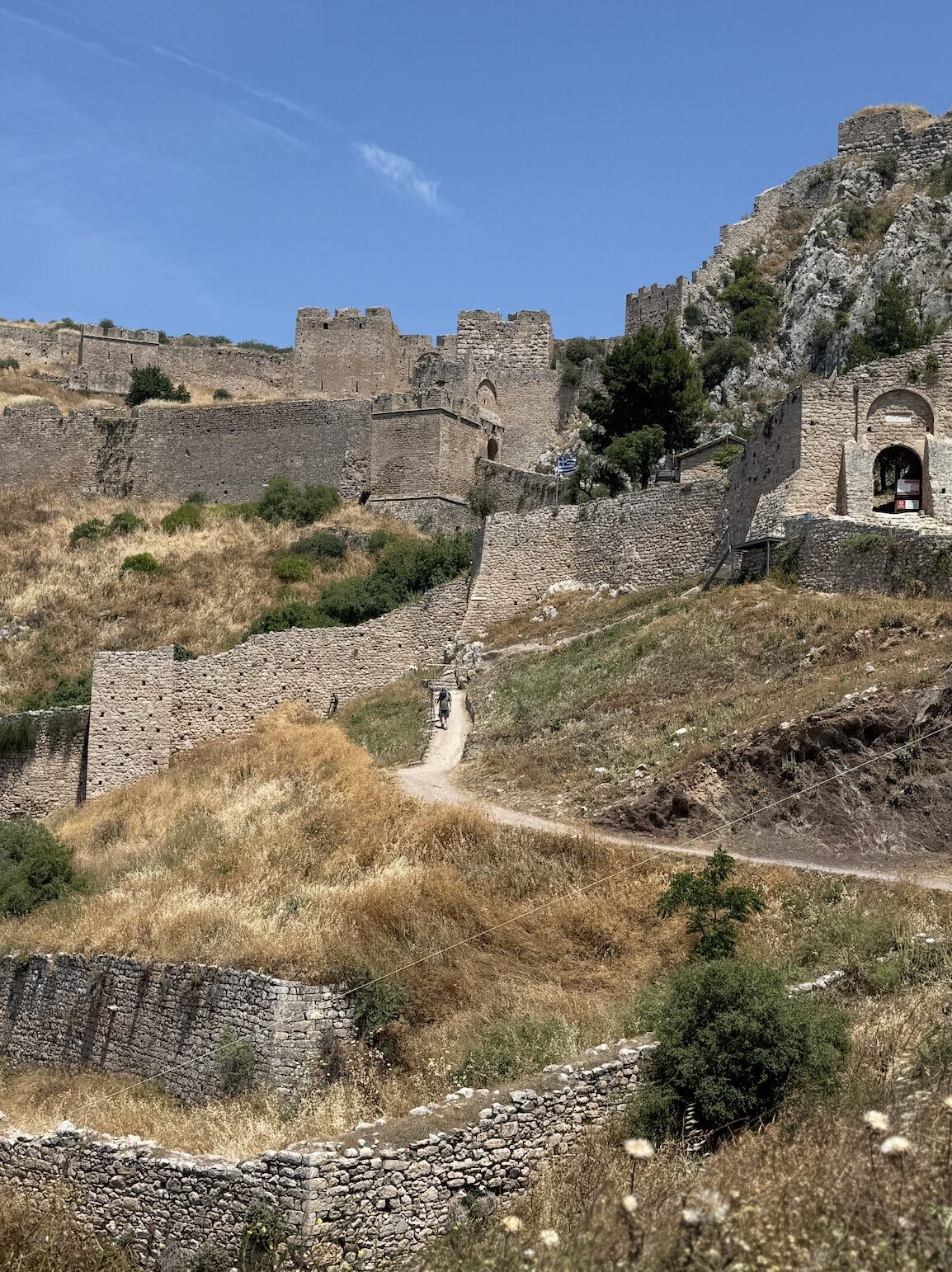
You can also view the Lion of the Bavarians here. It's a 19th-century monument carved into the rock to honor Bavarian soldiers who died of typhoid fever in Nafplio in the 1830s. It's crazy to think about how much effort it must have taken to carve this.
Nafplio is also a good base for day trips. From here, you can visit some of the Peloponnese's most important archaeological sites without constantly changing hotels.
Historical Sites to Explore
Mystras: Byzantine Ruins
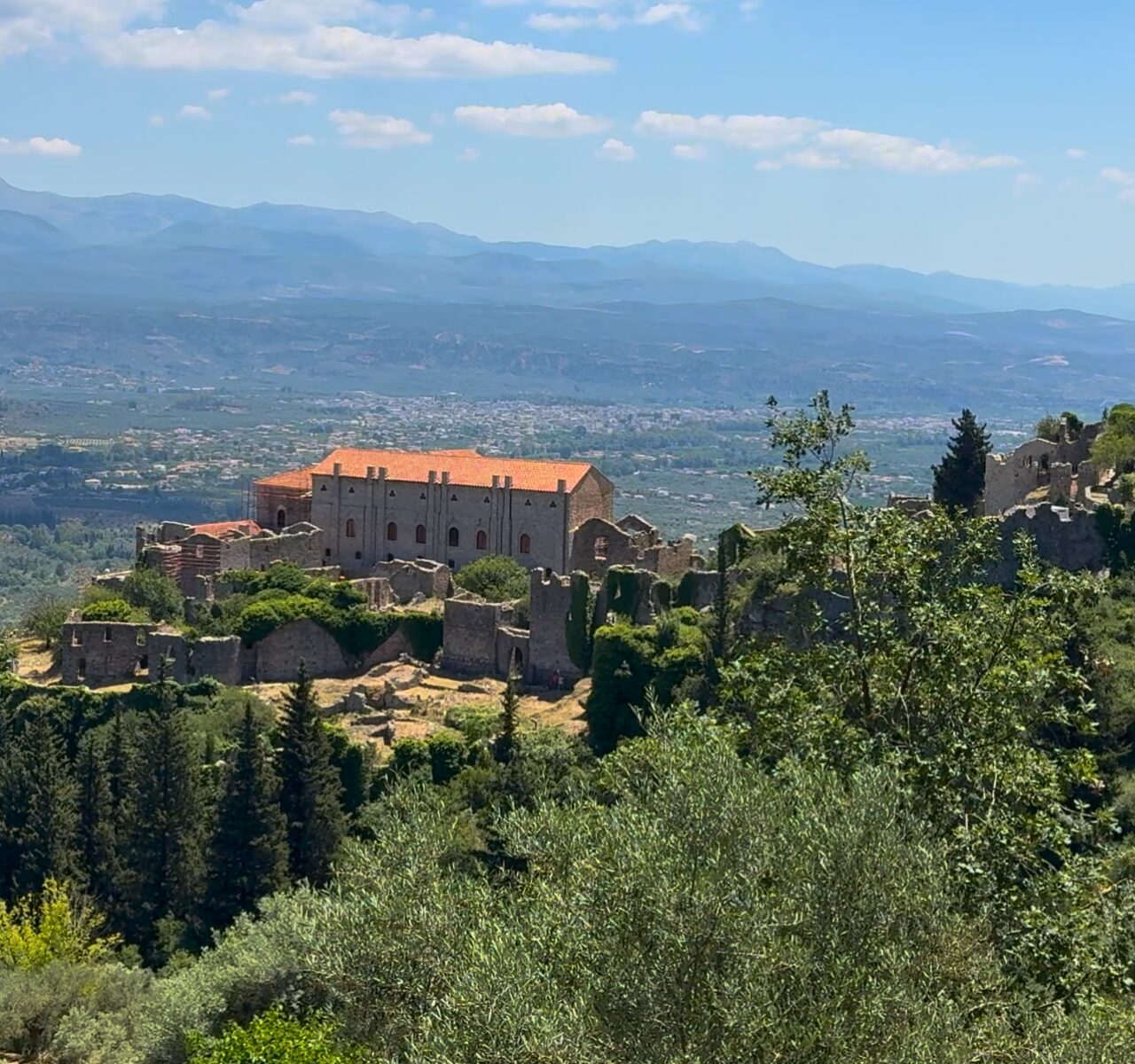
Mystras was built around a fortress from the 13th century and later became an important center of Byzantine power in southern Greece. UNESCO describes it as the "wonder of the Morea," and the ruins still stand across a hillside in a dramatic landscape.
Kalamata: Olives, Olive Oil, and Freddo Cappuccinos
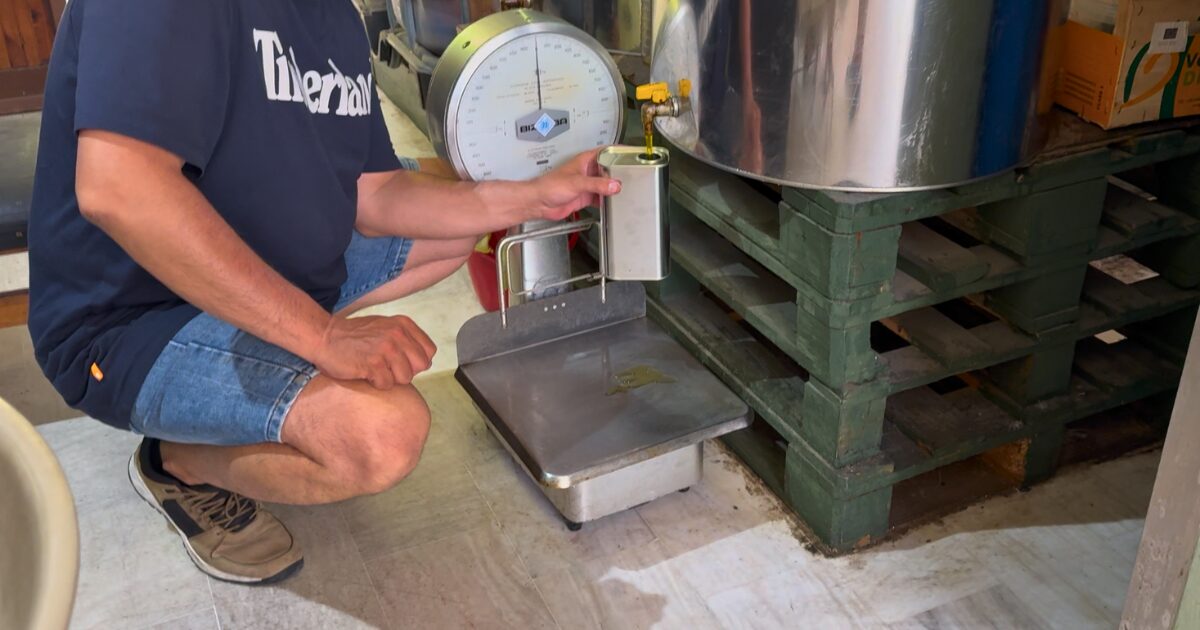
The city is, of course, famous for Kalamata olives, and you should definitely seek out some olives and olive oil while you're here. Venus is a small shop in town where the olive oil is poured straight from the vat.
This is not your typical store-bought olive oil. It's thick, rich, peppery, and full of flavor. We bought a liter of olive oil and a container of olives to take home, and the price was surprisingly reasonable.
Beyond the olives, Kalamata itself felt laid-back and local. Spend some time walking along the harbor, and pop into one of the local cafes for a coffee.
If you're doing a food-focused Peloponnese road trip, Kalamata is a place you should definitely include.
Sparta: Ancient History Come to Life
Sparta is one of those places that feels almost strange to visit because the name is so familiar from movies, mythology, and school history.
But Sparta was, of course, a real and powerful ancient city-state. Today, you can still visit the archaeological area around the Acropolis of Ancient Sparta, where remains include a Roman theater and other monuments.
Epidaurus: The Ancient Theater You Should Not Miss
Of all the archaeological sites we visited in the Peloponnese, Epidaurus was one of the most impressive.
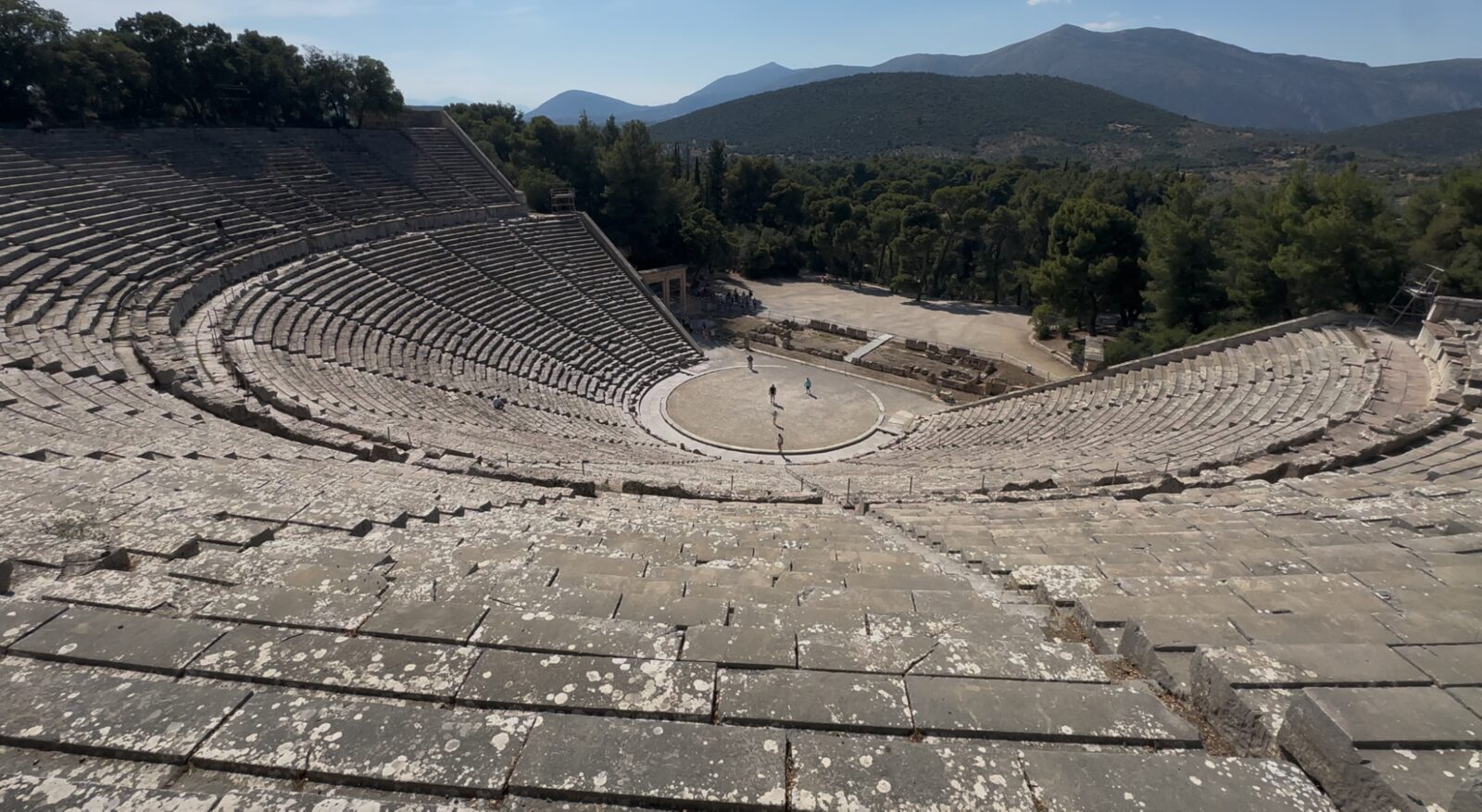
The main attraction is the ancient theater, which dates to the 4th century BC and is famous for its symmetry, beauty, and exceptional acoustics. UNESCO estimates the theater's capacity at around 13,000 to 14,000 spectators.
Standing inside it is surreal. Even if you've seen photos, it's hard to understand the scale until you're there.
Epidaurus was also more than a theater. In ancient times, it was a major healing center dedicated to Asklepios, the god of medicine. People traveled there seeking cures, and today you can still see remains of the sanctuary, temples, and other buildings scattered around the site.
This was also the one major archaeological site where we were allowed to bring Bindi. There was a sign out front saying no dogs, but we asked at the entrance and were told she could come in as long as she didn't enter the museum.
Corinth: A Meal with a View
Ancient Corinth is built around the Temple of Apollo and includes remains of the Roman Agora, temples, fountains, baths, and other monuments.
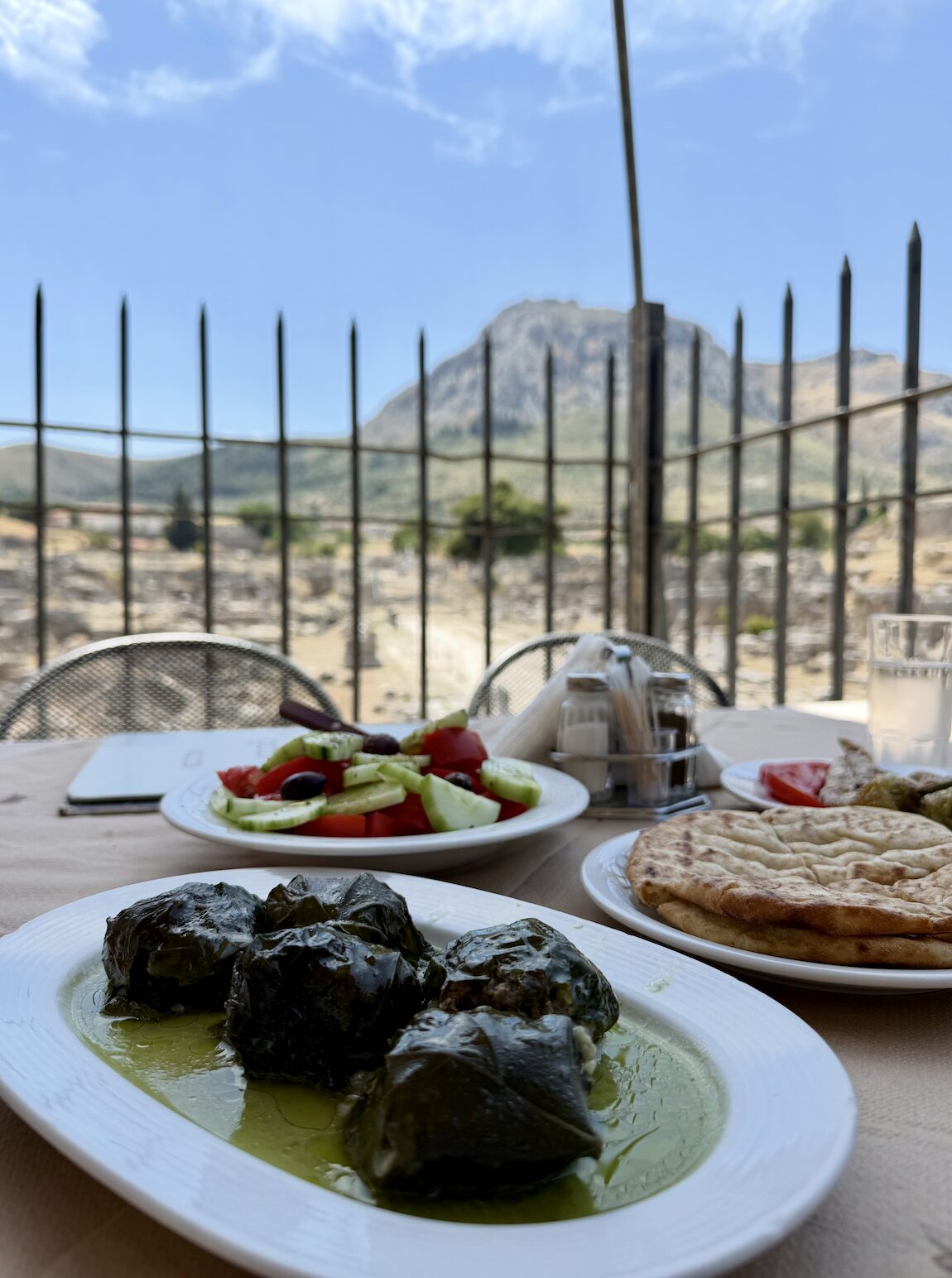
Instead of doing a full archaeological visit, we found a taverna with a view over the site and had one last memorable Peloponnese meal. Of course the food was good, but the real treat was eating on a terrace that overlooked this magnificent ancient site.
Is the Peloponnese Dog-Friendly?
Overall, yes, but with some considerations.
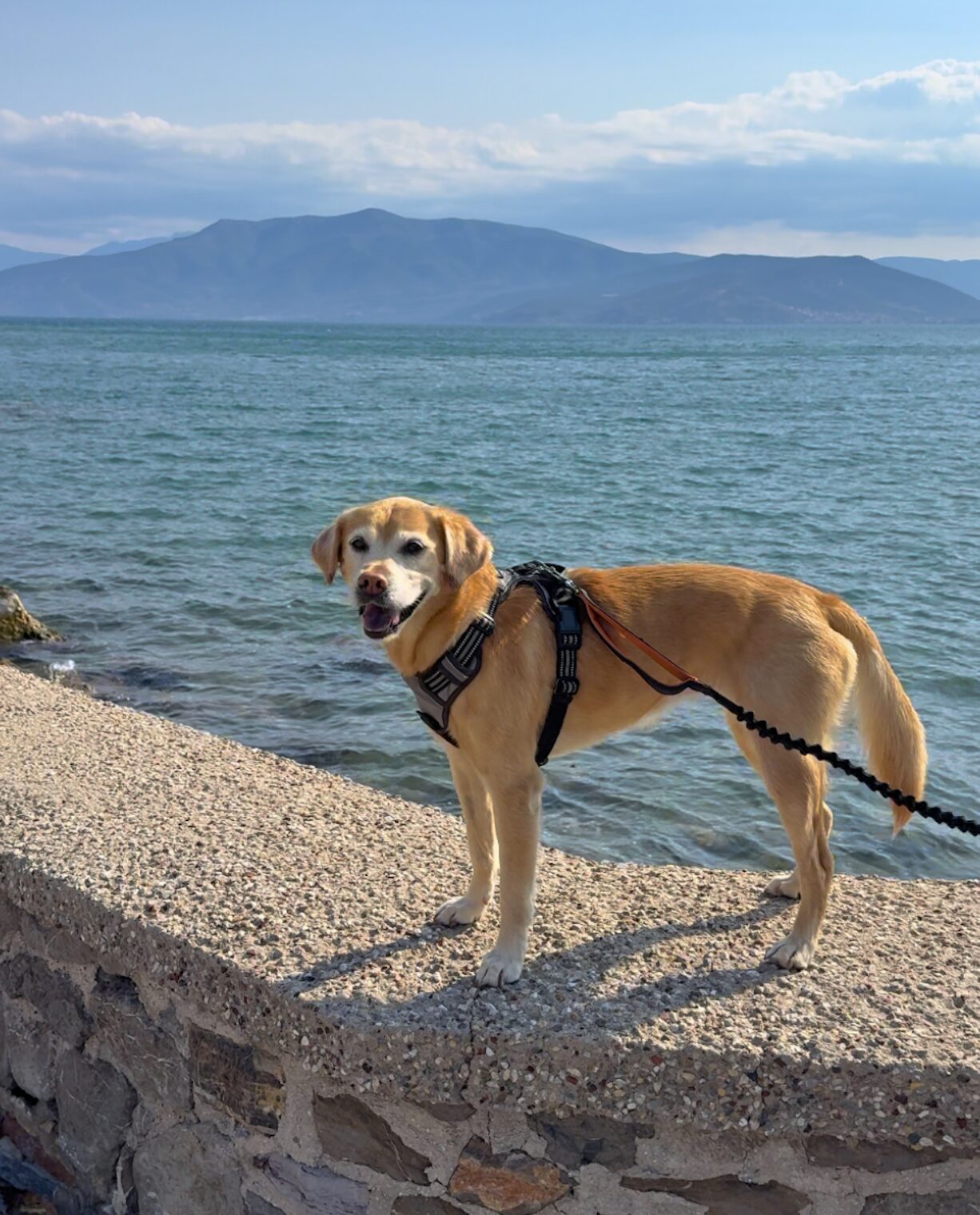
Restaurants and cafes were generally very welcoming to Bindi. She was often greeted warmly, offered water, and sometimes given treats. In Nafplio especially, we found the restaurant scene to be very dog-friendly.
The challenge was the archaeological sites.
Greece has expanded pet access to many archaeological sites in recent years, but there's no easy list or anything to check which ones allow dogs. We often ended up just asking at the ticket office.
Bindi was not allowed into Mystras, Ancient Sparta, or Palamidi Fortress when we visited. But she was allowed into Epidaurus after we asked at the entrance.
Also, be mindful of the heat. The Peloponnese can get very hot, especially around exposed archaeological sites. Bring plenty of water, look for shade, and try to visit early or later in the day.
We also saw a few stray dogs around Epidaurus, so that's something to be aware of if your dog is nervous or reactive.
How Many Days Do You Need in the Peloponnese?
For a first visit, I'd suggest at least three to five days, but you could easily spend weeks exploring the entire region.
With three days, you could base yourself in Nafplio and visit Epidaurus, Corinth, and have a bit of time for the beach.
With five days, you'd have time to add Mystras, Sparta, and Kalamata without feeling like you're spending the entire trip in the car.
We visited Nafplio, Mystras, Kalamata, Sparta, Epidaurus, and Corinth, and even then, it felt like we were only scratching the surface.
Is the Peloponnese Worth Visiting?
Absolutely.
The Peloponnese gave us so many of the things we love most when we travel: great food, interesting history, beautiful scenery, local products, warm hospitality, and enough surprises to make the trip feel memorable.
It's not that I think you should never visit the Greek islands. Of course, the islands are beautiful. But if you're planning a trip to Greece and want something beyond the obvious Santorini-Mykonos route, the Peloponnese is one of the best places to start.
Frequently Asked Questions
What is the best base for visiting the Peloponnese?
Nafplio is a great base for a first trip to the Peloponnese. It's beautiful, walkable, full of restaurants and cafes, and well-positioned for day trips to places like Epidaurus, Corinth, Mystras, and Sparta.
Is Nafplio worth visiting?
Yes. Nafplio is one of the most beautiful towns in the Peloponnese, with a historic Old Town, clear water, good restaurants, and major landmarks like Palamidi Fortress.
Can you visit the Peloponnese without a car?
A car makes the Peloponnese much easier. Many of the best archaeological sites, beaches, and smaller towns are spread out, so driving gives you far more flexibility.
Is the Peloponnese good for food lovers?
Yes. The Peloponnese is excellent for food lovers, especially if you enjoy Greek tavernas, olive oil, local cheese, grilled meat, fresh vegetables, seafood, pastries, and simple, ingredient-driven meals.
Where should I eat in the Peloponnese?
My pinned Google map with all of the spots I'd recommend is available for paid subscribers on my Substack.
Is the Peloponnese dog-friendly?
The Peloponnese was very dog-friendly at restaurants and cafes during our trip, but archaeological sites were mixed. Some allowed dogs, some did not, and some rules were unclear. Always check directly before visiting with a dog.